




3 Subtle Outfit Details That Instantly Signal You Belong in the Room
Why What You Wear Speaks Before You Do
Picture this: You walk into a room full of people you admire whether it’s a networking event, a big meeting, or even a dinner party. You’re ready to introduce yourself, share your ideas, and make meaningful connections. But before you even say a word, the people around you have already sized you up. It’s not personal; it’s just human nature. And no, it’s not just about what you’re wearing it’s about the details.
I’ve learned this the hard way. Years ago, I attended a high-profile event in a perfectly nice suit, but I didn’t pay attention to the finer points things like tailoring, accessories, or even my shoes. Let’s just say the conversation felt lukewarm, and I couldn’t shake the feeling that I was an outsider. It wasn’t until later that I realized: the devil really is in the details.
So what are these subtle outfit details that instantly signal you belong? Let’s break it down.
The Power of Tailoring: Fit Over Fashion
It doesn’t matter if you’re wearing a $500 designer blazer or a thrift store find if it doesn’t fit right, it won’t work. Tailoring is the unsung hero of personal style. A well-tailored outfit signals that you care about the impression you leave, but without shouting about it. It says, “I’ve taken the time to show up properly.”
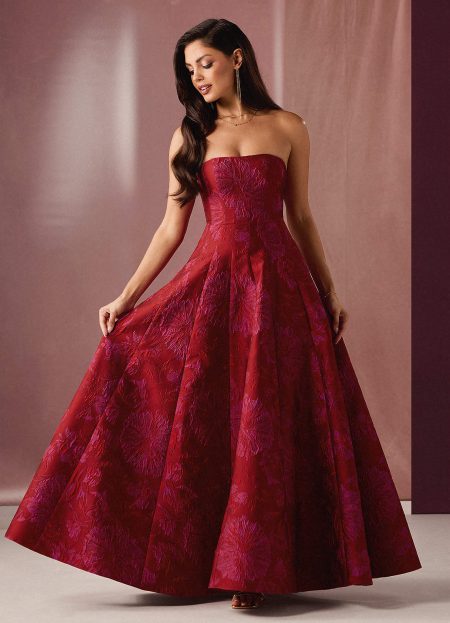
For men, it might mean ensuring your suit jacket doesn’t bunch awkwardly at the shoulders and your pants have just the right break. For women, it might mean adjusting the hemline of a dress or narrowing the waist of a blazer. These small tweaks make a dress or suit look like it was made just for you and that’s an instant confidence booster.
But here’s the mistake I made once: I thought tailoring wasn’t worth the money. I’d buy clothes off the rack and assume they were “good enough.” Spoiler alert: they weren’t. People notice when your outfit doesn’t sit well on you, even subconsciously. You don’t have to spend a fortune on custom clothing just find a reliable tailor and make those small adjustments. Trust me, it’s worth it.
Accessories That Say More Than They Cost
Another often-overlooked detail? Accessories. These seemingly minor choices a watch, a belt, even your socks can make or break an impression. The key is not to overdo it. A sleek watch or minimalist jewelry can elevate your look without stealing the show. On the flip side, gaudy or oversized accessories can be distracting and send the wrong message.
Here’s an example: I once showed up to a work event wearing a slightly worn belt. Nothing major it wasn’t falling apart but it didn’t look polished either. Guess what happened? Someone I was trying to impress glanced at it, and their expression shifted ever so slightly. It was subtle, but it mattered. The next time, I invested in a classic leather belt that looked sharp yet understated. No one commented on my belt, but I felt more put-together, and my confidence soared.
And don’t forget about shoes. They’re almost always noticed even if people don’t realize they’re noticing them. Scuffed, worn-out shoes can ruin an otherwise stellar outfit. Clean, well-maintained footwear? That’s a quiet signal that you’ve got your act together.
The Hidden Cost of Dressing Down
This might be the most controversial point, but let me say it anyway: dressing “too casually” can sometimes make you invisible in certain rooms. Now, I’m not saying you need to wear a suit everywhere. Casual outfits can work, but they need to feel intentional like you’ve chosen them thoughtfully, not just thrown them on because they were closest.
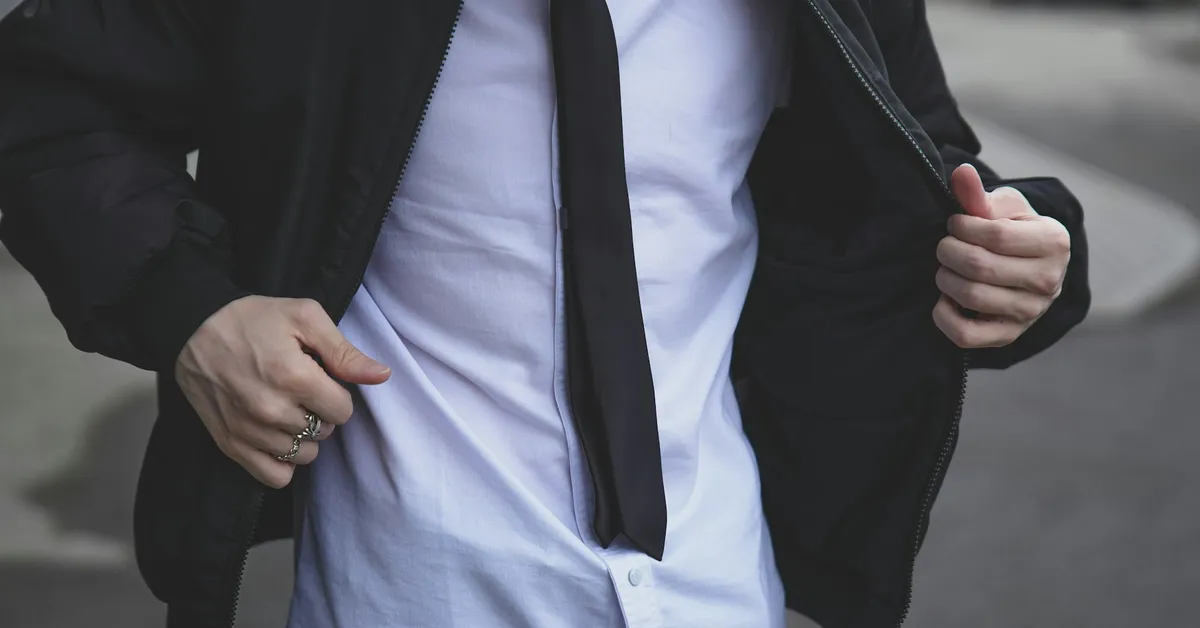
There’s a difference between wearing a plain t-shirt and jeans versus a crisp tee paired with tailored chinos and leather sneakers. The former says, “I didn’t think much about this,” while the latter says, “I’m relaxed, but I’ve still put in some effort.”
I made this mistake during a creative industry mixer years ago. Thinking I’d blend in by dressing casually, I showed up in a hoodie and sneakers. While everyone was friendly enough, I noticed that people gravitated toward others who looked effortlessly polished even if they were wearing similar casual clothes. The difference? Their outfits had structure and intentionality. Mine didn’t.
Why These Details Matter More Than You Think
You might be wondering: isn’t this all superficial? Shouldn’t my ideas, my experience, and my personality be enough? Ideally, yes. But we don’t live in an ideal world. First impressions matter, and people often judge competence, trustworthiness, and professionalism based on appearance at least initially.
Think about it: If you’re at an important pitch meeting, would you trust someone whose suit is wrinkled or whose shoes are unpolished? Probably not as much as you’d trust someone who looks like they’re prepared for the moment. It’s not about being vain; it’s about signaling respect for yourself and for the people you’re meeting.
How to Apply This Without Losing Yourself
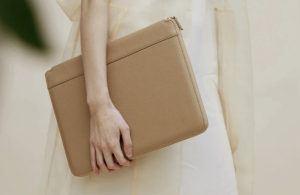
The good news? You don’t have to overhaul your wardrobe or become someone you’re not. Start small. Invest in tailoring for your favorite pieces. Upgrade your accessories one by one a timeless watch, a pair of sleek shoes, or even a well-made bag. And when you dress casually, make sure it looks intentional rather than lazy.
Here’s a quick checklist for the next time you’re deciding what to wear:
– Does this outfit fit me well? If not, can I tailor it?
– Are my accessories clean, polished, and in good condition?
– Do I look intentional even in casual clothing?
These questions aren’t about obsessing over appearance; they’re about showing the world you care. And once you nail these details, something magical happens. People stop questioning if you belong in the room. They assume you do because you’ve already said it without words.
And isn’t that what confidence is all about?