




Building a Killer Rotation on a Thrift Store Budget
Why What You Wear Speaks Before You Do
You walk into a room. Maybe it’s a networking event, a first date, or even just your local coffee shop. Before you’ve said a word, people make an assumption about you based on your outfit. It’s not shallow; it’s human. We all read visual cues, and clothing happens to be one of the loudest. But here’s the thing: looking great doesn’t have to mean spending big. In fact, some of the most stylish people I know have closets full of thrift store finds that cost less than lunch.
The Hidden Cost of Dressing Down
Here’s a scenario: you’re heading to a job interview, and you throw on your “safe” outfit nothing fancy, just a button-up shirt and slacks you’ve had for years. It’s clean, sure, but it doesn’t exactly scream confidence. What you might not realize is that dressing too casually or, worse, wearing something that looks worn-out, can unintentionally send the message that you’re not fully invested. And this applies beyond interviews. Whether it’s meeting potential clients or just showing up at a party, what you wear impacts how people perceive your energy, your effort, and sometimes even your competence.
But and this is a big “but” you don’t need to drop $500 on a blazer to look sharp. There’s an art to curating a killer wardrobe on a budget, and thrift stores are your secret weapon.
Why Thrift Stores Are Goldmines
Okay, confession time: I used to think thrift stores were for people who couldn’t afford anything else. I was wrong so wrong. The first time I walked into a well-curated secondhand shop, I was blown away. Vintage Levi’s that fit like a glove? Found them. A leather jacket that looked like it belonged in a fashion magazine? Snagged that too. The trick is knowing how to navigate these treasure troves without wasting hours or coming home with piles of “meh.”
Thrift stores are where trends go to die and then come back to life. You’ll find timeless classics, quirky statement pieces, and even high-end designer gems if you’re willing to dig a little. And trust me, that digging is worth it.
How to Build a Wardrobe That Works
Let’s get practical. You don’t need 50 items to look good; you need a rotation of versatile, quality pieces. Here’s how to make thrift store shopping an actual strategy, not just a random hunt.
Start with the basics
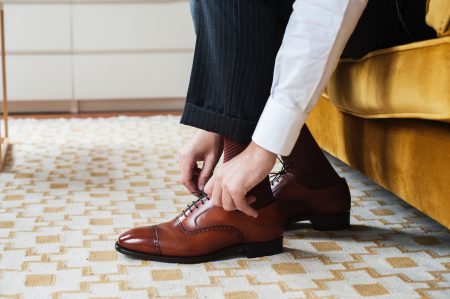
Every killer wardrobe needs a foundation. Think: a great pair of jeans, a white button-up shirt, a black blazer, and a pair of leather shoes. These are the items you’ll wear over and over, so they need to be solid. Focus on finding these staples first before you get distracted by the funky patterned shirts calling your name.
Look for quality, not trends
Here’s where people mess up. They grab whatever looks cool, without checking if it’s actually well-made. Flip the garment inside out how neat are the seams? Is the fabric sturdy? Are the buttons hanging by a thread? A thrift store item might only cost $10, but if it falls apart after one wash, was it really a bargain?
Experiment with statement pieces
Once you’ve nailed the basics, you can start playing. Want to try bold colors or unique prints? Thrift stores are perfect for this because you won’t feel guilty spending $8 on a lime-green jacket you’re not sure about. And hey, sometimes those experimental pieces become your favorites.
Know when to say no
Not everything cheap is worth buying. If something doesn’t fit or feels “off,” don’t convince yourself you’ll make it work. Trust me, I’ve been there standing in front of a mirror, trying to convince myself that a slightly-too-tight blazer was “good enough.” Spoiler alert: I never wore it. Save your money for the items you’ll actually love.
Thrift Store Shopping Tips
Let’s talk tactics. Thrift shopping isn’t the same as walking into a mall and picking out whatever’s on display. You need a game plan.
Go early and often
The best finds? They’re usually gone by noon. Thrift stores constantly rotate inventory, so going regularly increases your chances of finding gold.
Shop off-season
Looking for a winter coat? Buy it in summer. Searching for sundresses? Hit up stores in December. Off-season shopping means less competition and better prices.
Learn your brands
Not all labels are created equal. If you spot a J.Crew sweater for $12, it’s probably worth grabbing. On the other hand, some lesser-known brands might not be worth the gamble. Over time, you’ll develop an instinct for spotting quality.
Don’t ignore accessories
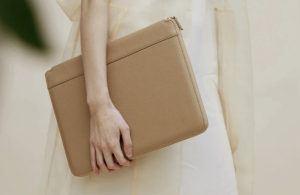
Belts, scarves, hats, and bags can elevate an outfit without breaking the bank. And thrift stores are full of them often in near-perfect condition.
My Biggest Thrift Store Mistake
I once bought a pair of leather boots at a thrift store that were let’s just say past their prime. They looked cool, but the soles were practically disintegrating. I figured, “Hey, I’ll just get them fixed.” Fast forward two weeks, and the cobbler quoted me $80 for repairs. You know what I could’ve done with that $80? Bought two pairs of brand-new boots. Lesson learned: don’t buy something that’s already on its last legs, no matter how stylish it seems.
Where to Start Your Thrift Journey
If you’re new to thrifting, start small. Hit up your local Goodwill or Salvation Army for basics. Once you get the hang of it, venture into specialized vintage shops they’re pricier but often have more curated pieces. And don’t forget about online options like Poshmark and ThredUp. They let you browse secondhand items without leaving your couch, which is both a blessing and a curse. (Seriously, it’s way too easy to spend hours scrolling.)
Final Thoughts: Style Isn’t About Money
Here’s the takeaway: style is about creativity, not cash. The best-dressed people aren’t necessarily the ones with the biggest budgets; they’re the ones who know how to put together outfits that feel authentic and intentional. Thrift stores give you the opportunity to do exactly that without emptying your wallet.
So, what’s stopping you? Ready to turn $50 into a wardrobe that makes you feel unstoppable?