




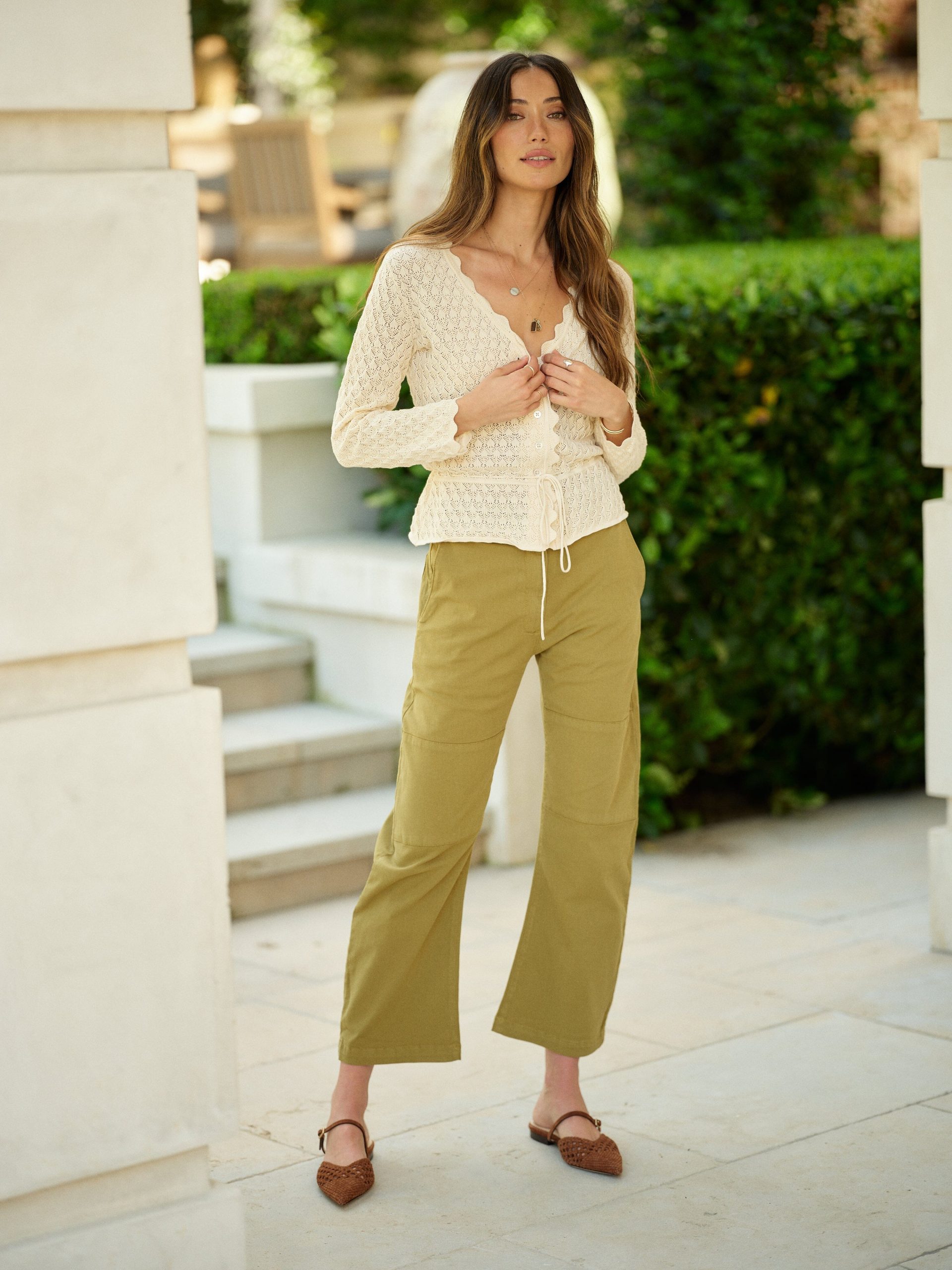
Why What You Wear Speaks Before You Do
I still remember the day when my younger cousin strutted into a family gathering wearing a bright red Supreme hoodie. It wasn’t the hoodie itself that caught everyone’s attention it was the box logo plastered across his chest, loud and unapologetic. Instantly, it became the centerpiece of the room’s idle chatter. “Kids these days will pay hundreds for that?” my uncle scoffed. My cousin shrugged, but there was a glint in his eyes. The hoodie wasn’t just fabric; it was a declaration, a label, a story. Fast forward a few years, and now? Supreme’s allure feels… diluted. That once-iconic logo feels more like background noise than a cultural statement.
So, what happened? Why do some brands rise to god-tier status only to fizzle out into obscurity? And more importantly, what does that say about us as consumers and about the brands themselves?
The Rise and Fall of Loud Branding
Think back to the early 2010s. Streetwear was the king of casual cool, and logos were the crown jewels. Supreme, Off-White, Gucci heck, even Balenciaga plastered their names across tees, hoodies, and sneakers like badges of honor. Wearing one was like saying, “I’m in the know. I’m part of the tribe.” It worked. People lined up overnight and paid absurd markups for the privilege of being seen in those logos.
But here’s the kicker: loud branding has a shelf life. The louder it screams, the quicker people tire of it. Why? Because there’s a fine line between exclusivity and oversaturation. Once everyone has the same logo, it stops being a flex and starts feeling ordinary. Suddenly, your $800 hoodie looks like the $40 knockoff sold at the mall and that’s the kiss of death for any brand banking on status.
What Happens When Exclusivity Dies?
Luxury brands and streetwear giants know this. It’s why they play the scarcity game so well limited drops, collaborations, and invite-only events. But even scarcity has its limits. Remember when Abercrombie & Fitch was the high school status symbol? Or when Ed Hardy was the go-to for celebrities? Both brands rode the wave of exclusivity until the wave crashed. Once their logos became ubiquitous, the magic wore off.
This isn’t just a phenomenon for fashion, though. Think about your favorite coffee shop. If it’s a quiet, tucked-away gem, you love it. But if it suddenly becomes a tourist hotspot with a line out the door? You might start looking elsewhere. Scarcity creates value, and when scarcity disappears, so does the allure.
Are We Over Logos? Or Are They Evolving?
Here’s the twist: we’re not exactly “over” logos. We’re just more selective about the ones we care about. The rise of minimalist branding is proof of this shift. Look at tech companies like Apple or Tesla brands that hardly rely on flashy logos but instead let their designs and functionality speak for themselves. Even fashion brands like Bottega Veneta have embraced logo-free luxury, focusing on craftsmanship and subtlety rather than loud statements.
But let’s not pretend logos are dead. They’re just adapting. Social media has made logos less about physical products and more about digital presence. A brand’s Instagram aesthetic or TikTok strategy now carries as much weight as the logo on their product. Case in point: Gymshark didn’t climb the fitness apparel ranks by plastering their logo everywhere they built a community online. Branding isn’t disappearing; it’s morphing into something intangible.
The Hidden Cost of Dressing Down
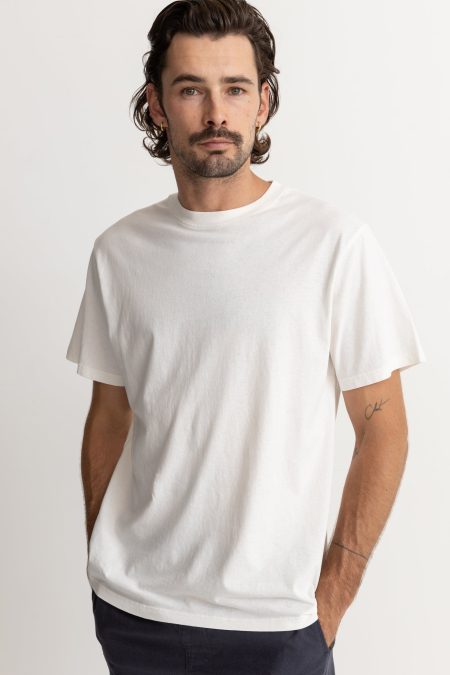
Here’s where it gets tricky. As logos and branding evolve, so do the ways we signal status. Think about it: in a world where subtlety rules, those who know recognize the craftsmanship of a $4,000 Brunello Cucinelli sweater with no visible branding. But to the average person? It’s just another sweater. The hidden cost of dressing down is that it takes a trained eye to spot the value and that exclusivity is precisely the point.
This shift has implications beyond fashion. It’s the same reason why some people drive Teslas while others opt for understated luxury cars like a Genesis. Logos might be fading from sight, but the desire to signal wealth, taste, or belonging hasn’t gone anywhere. It’s just becoming… quieter.
What About the New Players?
Now let’s talk about the new kids on the block. Brands like Fear of God and Telfar have mastered the art of storytelling over logo-splashing. Fear of God’s pieces scream quality and timelessness, while Telfar’s “Bushwick Birkin” is as much a cultural movement as it is a bag. These brands are redefining what it means to stand out not by shouting, but by whispering. And people are listening.
On the flip side, there are the TikTok-driven microbrands that thrive on going viral. Djerf Avenue, Skims, and even Crocs have found ways to combine accessibility with desirability. Their branding is less about exclusivity and more about relatability. It’s a different kind of game, but it works.
So, Where Does Branding Go From Here?
Here’s the million-dollar question: if logos are no longer the loudest way to brand, what’s next? My guess? Authenticity. And I don’t mean the overused, cliché version of “authenticity” that every brand tries to peddle. I mean actual authenticity brands that show up consistently, deliver quality, and create communities people genuinely care about.
Take Patagonia, for example. Their branding isn’t loud, but their values scream louder than any logo could. Or Allbirds, whose sustainable mission has become their calling card. These aren’t just brands; they’re movements, identities, and conversations. That’s the future of branding being more than just something you wear.
Final Thoughts: What’s in a Brand?
It’s easy to get nostalgic for the days when a logo could say it all. But let’s be honest: those days are gone. The world of branding is shifting, and we’re seeing a more nuanced approach to how companies define themselves and how we define ourselves through them.
So, the next time you consider paying $500 for a hoodie with a logo, ask yourself: what are you really buying? A piece of fabric? A sense of belonging? Or just the illusion of it? And if it’s the latter well, isn’t it time we started asking for more?