



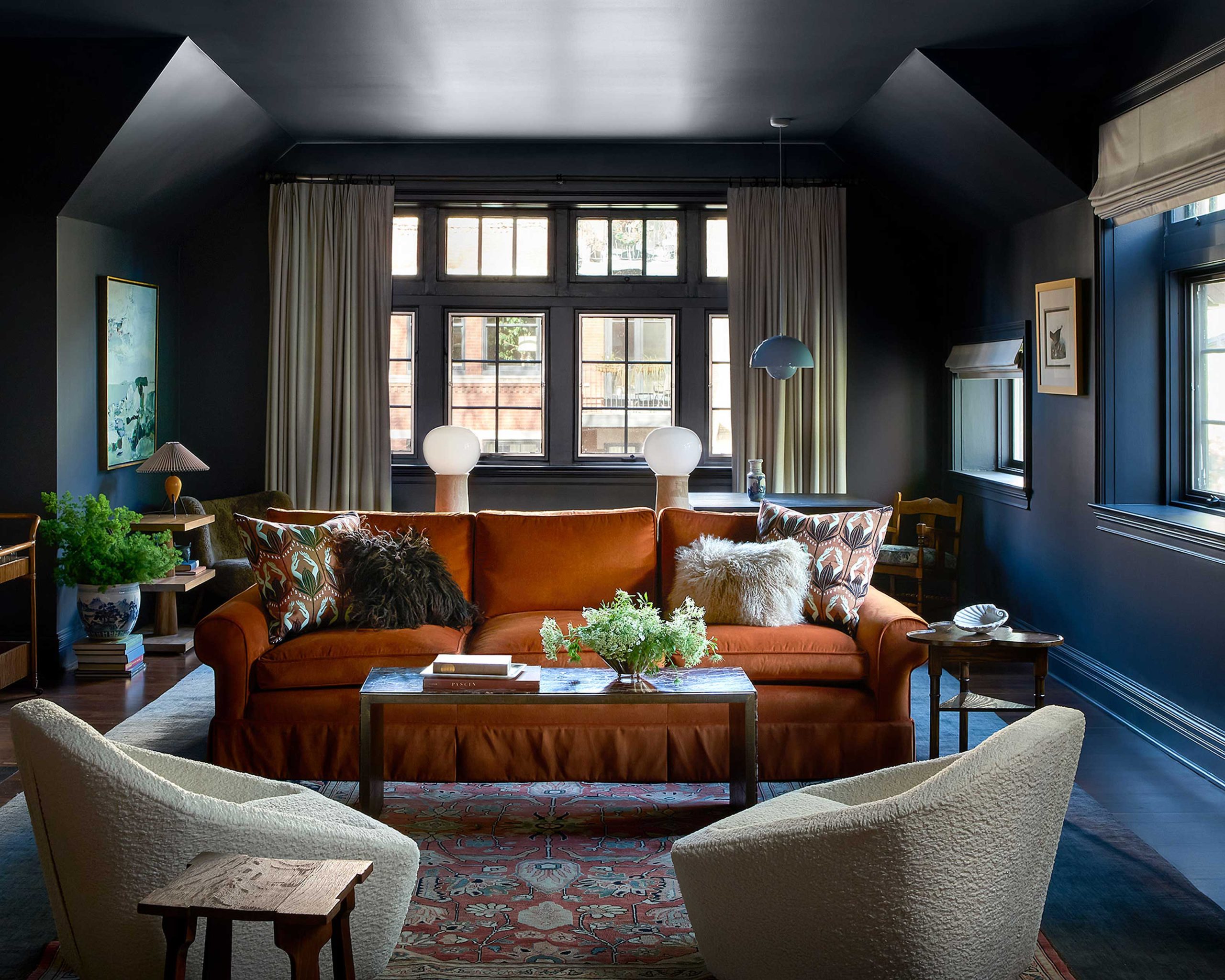
A friend of mine recently walked into my apartment for the first time and said, “Wait, this is it? Where’s the rest of your stuff?” I laughed it off, but deep down, I felt a mix of pride and a bit of self-doubt. My place is minimalist not in the Instagram-worthy, all-white-and-no-soul kind of way, but in the “I own only what I need and love” kind of way. The truth is, I didn’t start out this way. Years ago, I was the kind of person who believed more was more. But somewhere along the line, I realized that having less actually made me feel… more alive. Isn’t that ironic?
Minimalism is having a moment not the first, nor likely the last but this time, it feels different. While maximalism is often seen as the extravagant elder sibling who’s always overdressed and a bit too loud, minimalism is now wearing the crown, effortlessly cool and quietly confident. So, how did we get here? Let’s unpack it.
The Roots of Minimalism: From Necessity to Lifestyle
Minimalism didn’t start as a trend. It was born out of necessity for many people. Historically, “less is more” wasn’t a choice it was survival. The Great Depression, wartime rationing, and even post-war rebuilding taught entire generations to value simplicity and utility over excess. But as the world stabilized and economies boomed, the pendulum swung the other way. Enter maximalism: bold colors, ornate designs, and possessions aplenty.
Fast forward to today, and minimalism has become something entirely different. It’s no longer just about practicality or frugality it’s about intentionality. It’s about curating your life like you would an art gallery, picking the pieces that truly matter and letting go of the rest. It’s not just “less stuff”; it’s less emotional clutter, less digital noise, less of everything that doesn’t spark joy. (Yes, I know, Marie Kondo’s philosophy can feel cliché at this point, but the idea itself? It’s worth considering.)
Why Maximalism Fell Out of Favor
Maximalism isn’t inherently bad it’s vibrant, expressive, and unapologetic. But let’s be honest: it’s exhausting. Remember the early 2000s when everyone was buying oversized furniture, loading their homes with knick-knacks, and plastering every inch of their walls with bold patterns? It was fun… until it wasn’t. That era left many people feeling overwhelmed physically and mentally. Cleaning a house full of “stuff” starts to feel like a full-time job. And when your space is visually chaotic, your mind follows suit.
Plus, there’s another layer to this shift: social media. Platforms like Instagram and Pinterest have glorified minimalist aesthetics, making them aspirational. The sleek, uncluttered spaces of influencers and designers signal success, control, and calm. In comparison, maximalism can feel chaotic like a photo you accidentally took with motion blur.
Minimalism: A Lifestyle, Not a Look
Here’s the thing: minimalism isn’t just about owning fewer things. That’s where people often get it wrong. They think that if their house is sparsely decorated, they’ve “made it” as minimalists. But true minimalism is more than surface-level aesthetics. It’s a mindset shift.
Consider this: When was the last time you said no to something you didn’t really want to do? Minimalism is about learning to say no to unnecessary commitments, to mindless consumerism, to relationships that drain rather than energize you. It’s about creating space for what really matters. For me, this has meant letting go of old habits, some friendships, and even a few career opportunities that didn’t align with my values. It wasn’t easy, but it was necessary.
Where Minimalism Meets Maximalism
Here’s where things get interesting. Minimalism and maximalism aren’t as diametrically opposed as they seem. In fact, the coolest modern minimalists are borrowing from maximalism. They’re not afraid of bold choices; they just make fewer of them. Think of it as curating a museum exhibit instead of throwing everything into a flea market. A minimalist room can have a single, striking piece of art that steals the spotlight, while everything else fades into the background.
Or take fashion, for example. Capsule wardrobes a staple of minimalism often include statement pieces that elevate the entire look. A bold red coat in a sea of monochrome can be just the right touch of maximalist flair. Minimalism isn’t boring; it’s intentional. And that’s what makes it so appealing right now.
The Pitfalls of Minimalism
But let’s not pretend minimalism is perfect. It’s easy to fall into the trap of performative minimalism decluttering for the sake of Instagram likes or obsessing over having everything “just so.” I’ve been there. I once spent an entire weekend organizing my bookshelf by color, thinking it would make me feel more in control. Spoiler: it didn’t. It just made me irritated every time I couldn’t find the book I needed.
Then there’s the issue of accessibility. Let’s face it: the sleek, minimalist homes you see online often come with a hefty price tag. Those perfectly curated spaces with their designer furniture require some serious cash. True minimalism, however, isn’t about spending more to own less. It’s about making do with what you have, being resourceful, and focusing on quality over quantity.
Why Minimalism Is Here to Stay
So, why has minimalism taken the crown from maximalism? Because it speaks to something deeper than aesthetics. In a world that feels increasingly chaotic climate change, economic uncertainty, political turmoil minimalism offers a sense of control. It’s a way to say, “I can’t fix everything, but I can simplify my own life.”
It’s also deeply personal. No two minimalists look the same. For one person, it might mean living in a tiny house with only 100 possessions. For another, it might mean having a full closet but only keeping clothes they truly love. The key is that it’s not about following someone else’s rules. It’s about creating a space and a life that feels good to you.
So, Which One Is Better?
You might be wondering: Should I embrace minimalism or stick with maximalism? The answer isn’t black and white. It’s not about choosing one over the other it’s about finding what works for you. Maybe you love the energy of a maximalist living room but want the calm of a minimalist bedroom. Maybe you want to pare down your wardrobe but can’t part with your collection of books. That’s okay.
Here’s the truth: Minimalism isn’t better than maximalism. It’s just cooler right now. Trends come and go, but the key is to make sure your space and your lifestyle reflect who you are not what the world tells you is fashionable.
And if you’re still unsure, ask yourself this: When was the last time your stuff made you truly happy? If you can’t remember, maybe it’s time to try something new.