



How One Fabric Choice Changed an Entire Collection’s Message
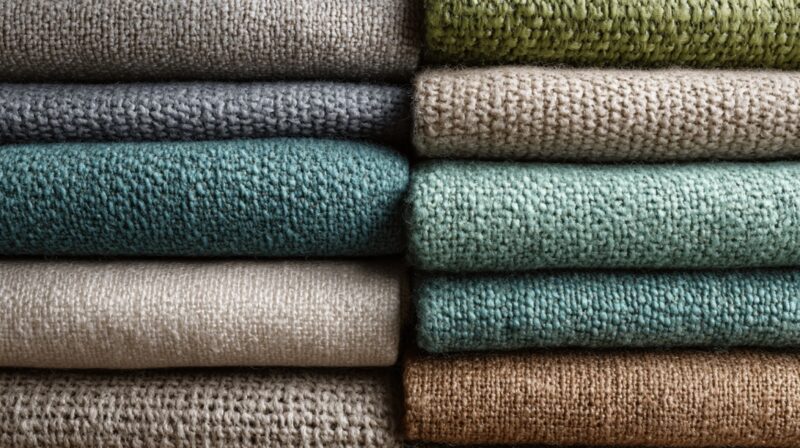
The showroom lights were harsh, bouncing off the glass walls and casting long shadows across the racks of clothing. I was standing there, flipping through the latest samples from a new designer collection, when something stopped me cold. It wasn’t the bold patterns or the intricate seams. It was the fabric. Specifically, the texture of one jacket under my fingertips a coarse, almost gritty material that seemed so out of place next to the otherwise polished designs. And in that moment, I realized this wasn’t just a jacket. It was the soul of the entire collection.
Why Fabric Is More Than Just Material
Let’s be honest. When most people think about clothing design, they picture the silhouette, the colors, or the overall vibe of the collection. Fabric? That’s just the boring technical stuff, right? Wrong. Fabric is the foundation of every message a designer sends. It’s the unspoken language of a collection, whispering (or shouting) ideas to anyone who touches or wears it.
Think about denim for a second. It’s a fabric, sure. But it’s also a cultural signifier. It screams “rebellion” in a biker jacket, whispers “effortless cool” in a pair of vintage Levi’s, and somehow manages to feel “approachable” in a denim shirt. The same fabric, radically different messages depending on how it’s used.
Now imagine swapping denim for silk in any of those examples. The entire message shifts, doesn’t it? That’s the power of fabric.
The Designer’s Dilemma: The Fabric That Almost Didn’t Happen
Here’s where it gets interesting. The jacket I mentioned earlier? That rough, gritty fabric wasn’t supposed to be there. Originally, the designer had planned to use a sleek, buttery-soft leather for the entire collection. The vision was luxury, minimalism, and the kind of aspirational aesthetic that makes you want to straighten your posture just looking at it.
But then came the hiccup. Supply chain issues because of course there were supply chain issues meant that the leather wasn’t going to arrive in time. Faced with a deadline and a showroom full of expectant buyers, the designer had to pivot. Enter the coarse fabric, a heavy cotton blend usually reserved for workwear. It was a desperate choice, one made under pressure, and it could have been a disaster.
Instead, it became the defining feature of the collection.
When Texture Becomes a Statement
Here’s what happened. That gritty fabric clashed with the clean, tailored lines of the designs in a way that felt… intentional. It added an edge, a sense of realness, that polished leather would never have delivered. Suddenly, the collection wasn’t just about luxury. It was about resilience, adaptability, and blending the high-end with the everyday.
Buyers picked up on it immediately. One even commented, “This feels like clothing for people who are actually doing something, not just looking good on Instagram.” And that’s the thing sometimes the story a collection tells is more important than how it looks on a hanger.
But let’s not romanticize this too much. There were moments when the fabric choice felt like a gamble. Some pieces didn’t work at all. A structured blazer, for instance, looked almost comical in the stiff cotton it lost its fluidity, its sharpness. The designer admitted later, “If I could go back, I’d have reworked that one entirely. But at the time, I was too close to everything to see it.”
The Lesson: Imperfections Can Be Perfect
Here’s the takeaway that stuck with me: sometimes, the things that feel like mistakes are the very things that make a project resonate. That jacket, with its rough texture and unexpected message, ended up being the best-selling piece in the collection. It wasn’t perfect, but it was memorable. And in the world of fashion or really, in any creative field that’s what matters.
But this isn’t just about fashion, is it? It’s a reminder that the materials we choose, whether literal or metaphorical, shape the stories we tell. And sometimes, the “wrong” choice turns out to be exactly what’s needed to tell the story in a way that sticks.
How to Think About Fabric (or Any Material) Differently
If you’re in the world of design or any field where material choices matter here are a few thoughts to keep in mind:
1. Ask what the material says before you decide what it does. A fabric isn’t just a technical choice; it’s a narrative one. What does it feel like? What does it remind people of? What emotions does it evoke? These questions should always come first.
2. Don’t ignore texture. It sounds obvious, but texture is often overlooked in favor of more visual elements like color or pattern. And yet, texture is what people physically connect with. It’s the handshake of your design it leaves an impression.
3. Embrace the mistakes. Not every material will behave the way you expect, and not every choice will land. But sometimes, those missteps lead to breakthroughs. The key is to stay open to the possibility that there’s a story in the imperfection.
What Happens When You Take Risks
So, what would have happened if the designer had stuck to their original plan? Would the collection have sold as well? Maybe. But it wouldn’t have stood out in the same way. It wouldn’t have had that grit, that tension between luxury and workwear, that made it feel real.
Here’s the part that keeps me up at night: how many times do we play it safe, sticking with the “right” choice because it’s easier or less risky? How many stories go untold because we’re too afraid to let the materials speak for themselves?
Sometimes, the best thing you can do is let go of the plan and see where the fabric or the idea, or the mistake takes you. Because in the end, it’s not about perfection. It’s about connection. And that jacket? It connected.