



How This Chef Turned Invasive Species Into Gourmet Dishes
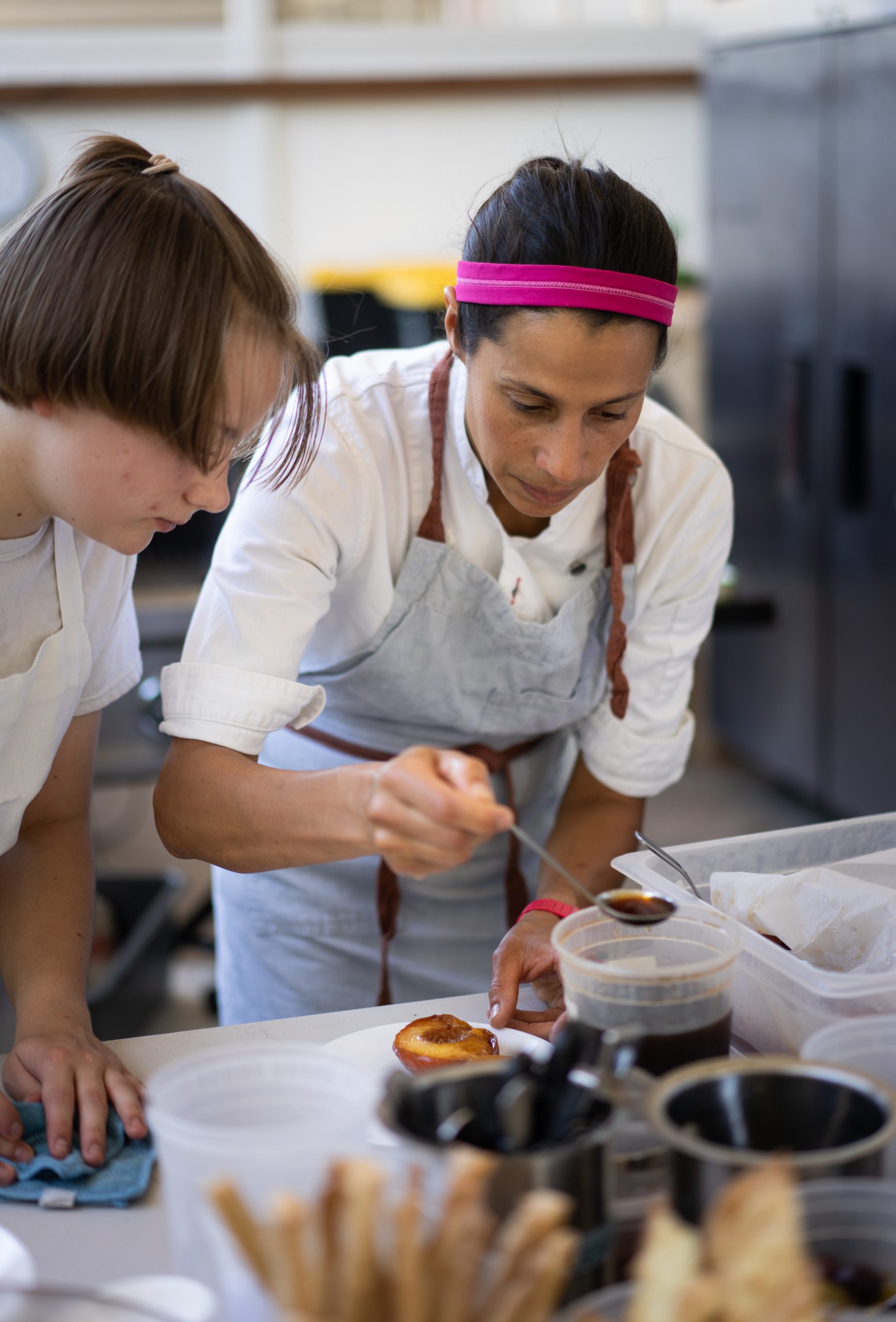
The crab was staring at him. Not just any crab, but a green crab a species infamous for wreaking havoc on coastal ecosystems. Chef Bun Lai picked it up, turned it over in his hands, and smiled. “You’re about to become something beautiful,” he said. The kitchen around him buzzed with activity, and in that moment, you might have mistaken him for a scientist rather than a chef. But this is what Bun Lai does best: taking what most people see as a problem and transforming it into something remarkable, delicious, and thought-provoking.
Meet the Invader: A Problem Crawling Everywhere
If you’re not familiar with green crabs, let me paint the picture. They’re small, quick, and alarmingly destructive. Originally from Europe, these crabs have spread across the world, preying on native shellfish and disrupting delicate marine habitats. Scientists often classify them as one of the most invasive species on the planet. Yet for all their notoriety, they’re rarely seen on menus until chefs like Bun Lai came along.
Why? Well, for starters, they’re small and labor-intensive to prepare. Plus, they don’t have the broad appeal of, say, a Maine lobster. But here’s the thing: there’s an overabundance of them. And as Bun Lai sees it, that’s not just a crisis it’s an opportunity.
Turning Pests Into Plates
So, how do you transform an environmental menace into a five-star dish? It starts with perspective. Bun Lai, who’s known for championing sustainable dining, sees invasive species as an untapped culinary resource. “We’re so used to thinking of food as what we grow or farm,” he said during a recent interview. “But nature provides a lot more than we realize sometimes in places we’re not looking.”
His signature dish, green crab sushi, is a labor of love. First, the crabs are steamed, their meat painstakingly picked out. It’s not much, mind you, but what’s there is sweet, delicate, and packed with flavor. The shells? They’re ground into a fine powder and used to create a savory, umami-rich broth. Every part of the crab is utilized nothing goes to waste.
But it’s not just about the food. “When people sit down to eat this,” Bun Lai explained, “I want them to think about where it came from. I want them to connect the dots between what’s on their plate and the impact they can have on the world.”
The Bigger Picture: Can Eating Save Ecosystems?
This isn’t just a trendy idea for foodies; it’s a potential game-changer for the environment. Invasive species like green crabs, lionfish, and Asian carp are wreaking havoc on ecosystems worldwide. Traditional methods of controlling them trapping, poisoning, or outright culling are costly, labor-intensive, and often ineffective. But what if we could eat our way out of the problem? It’s a bold idea, and Bun Lai isn’t the only one exploring it.
Lionfish, for instance, have become a popular target for chefs in the Caribbean and the southeastern United States. Known for their venomous spines and voracious appetite, these fish are a nightmare for native marine life. But as it turns out, they’re also delicious when prepared properly. Similarly, Asian carp an invasive species notorious for dominating waterways in the Midwest has been rebranded as “silverfin” to make it more appealing to consumers.
Of course, this approach isn’t without challenges. For one, there’s the issue of public perception. Many people are hesitant to try something labeled “invasive,” even if it’s perfectly safe and tasty. Then there’s the logistical hurdle: harvesting these species in a way that’s both sustainable and economically viable. But the potential rewards are hard to ignore. Imagine turning a global ecological crisis into a thriving food industry. It’s not just about solving one problem it’s about reshaping how we think about food, nature, and our role within it.
Lessons From the Kitchen
Here’s the part where I have to admit something: I was skeptical at first. When I heard about Bun Lai’s green crab sushi, my initial reaction was, “Why go to all that trouble?” I mean, isn’t it easier to stick to the usual suspects salmon, tuna, shrimp? But then I tried it. And let me tell you, it wasn’t just good; it was extraordinary. The flavors were complex, the textures surprising, and the story behind it made the whole experience unforgettable.
But it’s not just about taste. What struck me most was the way this approach forces you to reconsider your assumptions. Why do we eat some species and not others? Who decides what’s “good” food and what’s not? And perhaps most importantly: what opportunities are we missing by clinging to outdated ideas about what belongs on our plates?
What’s Next for Sustainable Dining?
So, where do we go from here? If chefs like Bun Lai have their way, the future of food might look a lot different than it does today. Instead of monoculture farming and industrial fishing, we could see a shift toward more localized, adaptive eating practices ones that prioritize balance over abundance.
But let’s be real: this isn’t going to happen overnight. Changing how people think about food is no small feat. It requires education, creativity, and a willingness to experiment. And yes, there will be failures along the way. Not every invasive species can or should be turned into a gourmet dish. Some, like cane toads or zebra mussels, pose unique challenges that might not be worth the effort. But the point isn’t to solve everything all at once. It’s to start asking better questions and exploring new possibilities.
Could Your Dinner Plate Make a Difference?
Here’s the question I’ll leave you with: What if eating could be a form of activism? What if choosing what goes on your plate could help restore ecosystems, support local communities, and spark meaningful conversations? It’s a radical idea, sure. But then again, so was the thought of turning green crabs into sushi. And look how that turned out.
So the next time you’re at a restaurant or browsing the seafood counter, take a second look. You might just find something unexpected and maybe, just maybe, you’ll help change the world one bite at a time.