





How to Train Your Eye to Spot Cheap Fabric from Across the Room
It happened to me in a department store once. I spotted a dress from across the aisle bold pattern, trendy cut, and a price tag that seemed too good to be true. I walked over, touched it, and immediately knew: cheap fabric. The kind that pills after a single wash or clings uncomfortably in humid weather. That moment taught me something valuable knowing how to identify low-quality material is not just a skill; it’s a superpower. And the best part? You don’t even need to touch the fabric to spot it.
Let’s break it down.
Why Knowing Fabric Quality Matters
Before we dive into the nitty-gritty details, let’s talk about why this even matters. After all, why should you care whether the fabric is cheap or not? Isn’t it the design that counts? Well, no. Here’s the thing: the quality of fabric directly affects how a piece of clothing looks, feels, and lasts. Cheap fabrics tend to wrinkle easily, fade faster, and lose their shape after just a few wears. Worse, they often scream “budget buy” even when the cut and design are on-trend.
And here’s a kicker you might think you’re saving money by buying inexpensive clothes, but in the long run, replacing deteriorating items repeatedly adds up. High-quality fabrics, on the other hand, age gracefully and often look better over time.
First Clues: The Visual Telltales of Cheap Fabric
Let’s get one thing straight: you don’t have to be a textile expert to spot cheap fabric. Your eyes are already your best tool, even from a distance. Here’s what to look for:
1. Excessive Shine
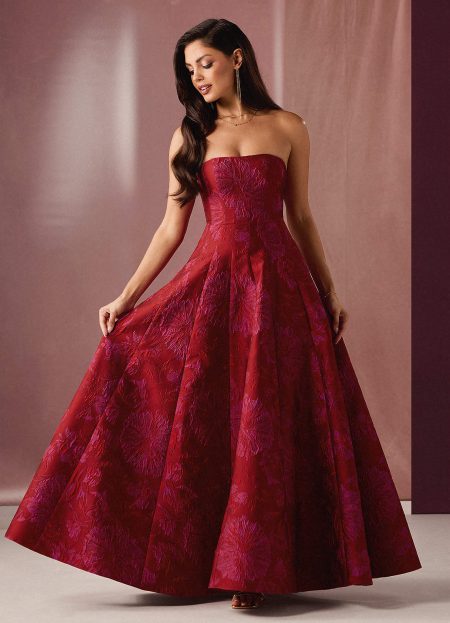
Cheap polyester or synthetic blends often have a telltale shiny finish that screams “plastic.” This shine isn’t the elegant kind you’d find in silk or satin. Instead, it looks overly reflective, almost unnatural. Under certain lighting, it can even appear gaudy.
2. Thinness or Sheerness
Ever notice how some T-shirts look almost transparent under the store’s lights? That’s a red flag. Cheap fabrics are often made from thinner threads or lower thread counts, which results in that see-through effect. And no, it’s not a fashion statement it’s a shortcut in manufacturing.
3. Uneven Patterns or Prints
This one’s easy to spot if you pay attention. Look at the seams of patterned clothing. If the print doesn’t align at the seams, it’s a sign the manufacturer cut corners. Cheap fabrics often come with such imperfections because precision costs money.
When Touch Is Necessary: What Your Hands Should Tell You
Sometimes, you’ll need to get up close and personal. If you can’t decide from just looking, here are some tactile clues that you’re dealing with cheap fabric:
1. The “Scratch Test”
Rub the fabric gently between your fingers. High-quality fabrics feel smooth, soft, or even luxurious. Cheap materials, on the other hand, can feel rough, scratchy, or stiff. Polyester blends often fail this test spectacularly.
2. Stretch and Recovery
Gently stretch the fabric. Does it snap back into shape, or does it sag and stay distorted? Cheap fabrics often lack elasticity and resilience, meaning they’ll lose their shape after a few wears.
3. Weight and Drape
Pick up the garment and feel its weight. Quality fabrics tend to have a satisfying heft they drape beautifully and hold their shape. Cheap fabrics, however, often feel flimsy and hang awkwardly.
The Hidden Cost of Synthetic Blends
Let’s talk about synthetic fabrics for a second, because they’re everywhere. Polyester, acrylic, and nylon blends dominate fast fashion racks and for good reason. They’re cheap to produce and durable in the short term. But here’s the catch: they’re also prone to pilling, don’t breathe well, and often look tacky after a few washes.
However, not all synthetic fabrics are bad. High-end brands often use advanced weaving techniques to make synthetics look and feel premium. So, how do you tell the difference? Price is one indicator, but also look at the finish and feel. Premium synthetics tend to mimic natural fibers like silk or wool, while cheap ones feel like you guessed it plastic.
What About Natural Fabrics? Are They Always Better?
Not necessarily. While cotton, linen, wool, and silk are generally higher quality, there are still pitfalls to avoid. Low-quality cotton, for instance, can shrink or wrinkle excessively. Similarly, poorly processed wool can be scratchy and uncomfortable.
The key is to look for balance. High-quality natural fabrics will have a smooth finish, consistent texture, and most importantly they’ll feel pleasant against your skin.
How to Build a “Fabric Radar” Over Time
Remember earlier when I admitted to misjudging fabrics? It’s part of the learning curve, and your radar for quality improves with practice. Here are some actionable steps to help you hone this skill:
1. Study Your Wardrobe
Pull out your favorite pieces of clothing the ones that have lasted years and still look great. Check their fabric composition on the label. Notice the texture, weight, and feel. Now compare them to cheaper items in your closet. You’ll start to see and feel the difference.
2. Visit High-End Stores
Even if you’re not buying, spend time in stores that sell high-quality clothing. Touch the fabrics, study the finishes, and train your eye to recognize premium materials. Compare this experience to walking through a fast fashion store, and the contrasts will be stark.
3. Learn the Lingo
Understanding terms like “thread count,” “GSM” (grams per square meter), or “twill weave” will help you decode fabric quality. You don’t need to become an expert overnight, but a little knowledge goes a long way.
Let’s Get Real: Sometimes You’ll Get It Wrong
I’ll be honest there will be times when you misjudge. Maybe you’ll think a fabric feels decent, only for it to fall apart after two washes. Or perhaps you’ll skip over something amazing because it doesn’t fit your mental image of “quality.” It happens to everyone. The key is to learn from these moments instead of letting them discourage you.
Final Thoughts: Trust Your Gut (and Your Fingers)
Here’s the bottom line: spotting cheap fabric is as much an art as it is a science. Over time, you’ll develop an instinct for it a combination of visual cues, tactile feedback, and a little bit of trial and error. And while it’s fine to indulge in trendy, budget-friendly items once in a while, knowing how to distinguish quality gives you the power to choose wisely.
So, the next time you’re shopping and spot something across the room, ask yourself: does this fabric look like it’s built to last or just built to sell?