




Why Supreme Was Once Untouchable
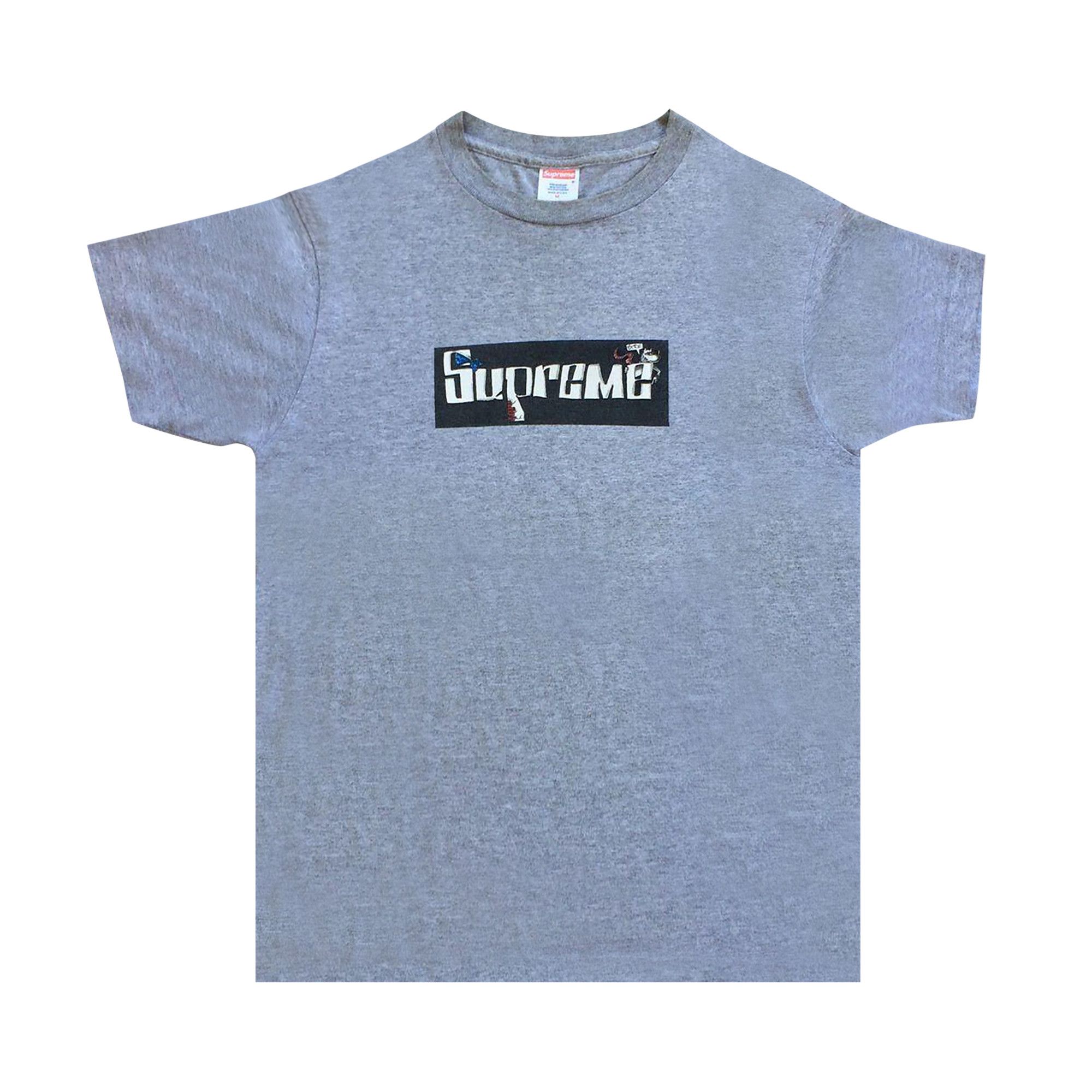
Picture this: It’s 2017, and people are camping outside stores for days, hoping to snag a box logo hoodie. Supreme drops were like mini cultural events part fashion, part chaos. Lines stretched around city blocks, and even online releases would crash websites within seconds. The resale market? Insane. A $150 hoodie could flip for $1,000 within hours. It wasn’t just clothing; it was a badge of credibility, a ticket to the cool kids’ club.
Supreme wasn’t just a brand; it was a movement. It represented rebellion, exclusivity, and the kind of streetwear that felt untouchable. Collaborations with Louis Vuitton, Nike, and even unexpected brands like Oreos only fueled the hype. It wasn’t just about the product; it was about the experience, the chase, and the bragging rights of owning something rare.
But here’s the kicker: Movements evolve and sometimes, they fade.
What Changed? The Oversaturation Problem
By now, you’ve probably noticed Supreme isn’t commanding the same level of hysteria it once did. So, what happened? To put it bluntly: oversaturation. When something exclusive starts feeling too accessible, it loses its magic.
Supreme’s collaboration strategy, once groundbreaking, started to feel formulaic. Sure, the brand still partnered with big names, but the sheer frequency of drops diluted the excitement. Did we need Supreme-branded bricks? Or a crowbar? At some point, it felt like the brand was cashing in on its own hype rather than adding to its legacy.
And let’s talk about the resale market. Once a playground for savvy flippers, it’s cooled down significantly. Items that once sold out in seconds now linger on shelves or worse, sit untouched on resale sites. The thrill of the hunt? It’s just not there anymore.
Is the Cool Factor Dead?
Here’s where things get tricky. Some people would argue Supreme is still cool; others would say it’s completely washed. So, let’s break it down.
Supreme’s core audience the skaters, the streetwear purists has largely stuck around. For them, the brand’s roots in skate culture and its unapologetic aesthetic still matter. But as Supreme expanded, it brought in new audiences: hypebeasts, casual fans, and even celebrities. While this broader appeal made Supreme wildly successful, it also alienated the die-hards who valued its exclusivity.
Honestly, though, I’ll admit something: I used to think Supreme was invincible. I’d stand in line for hours, convinced that owning a Supreme piece meant I’d somehow be cooler. But then I realized was I buying into the hype, or the brand itself? That’s the thing about “cool.” It’s fleeting, subjective, and often tied to nostalgia.
The VF Corporation Acquisition: A Turning Point?
In 2020, Supreme was acquired by VF Corporation the same folks behind North Face and Vans for a whopping $2.1 billion. Let’s pause for a second: $2.1 billion for a streetwear brand that started as a humble skate shop in New York City. Wild, right?
But here’s the thing about corporate acquisitions: they often signal a shift. While VF Corporation promised to maintain Supreme’s authenticity, skeptics worried this would mark the end of Supreme’s countercultural edge. After all, can a brand still be rebellious when it’s owned by a giant corporate entity?
To be fair, VF has kept Supreme’s core operations intact for now. But there’s always the risk of over-commercialization. Remember when Abercrombie & Fitch ruled the early 2000s? Yeah, we know how that story ended.
What Supreme Means Today
So, is Supreme still cool? It depends on who you ask and what “cool” even means. For some, Supreme represents nostalgia, a reminder of the days when streetwear felt raw and rebellious. For others, it’s a brand that’s lost its edge, overshadowed by newer, hungrier competitors.
But let’s not forget: Supreme paved the way for modern streetwear culture. The hype model, the collaborations, the “drop” mentality it’s all rooted in what Supreme perfected. Brands like Off-White, Fear of God, and even Adidas have borrowed heavily from Supreme’s playbook.
The Future of Supreme
Looking ahead, Supreme faces an uphill battle. The brand has to strike a balance between staying true to its roots and adapting to a changing market. Can it regain its exclusivity while still being profitable? Can it innovate without feeling like it’s trying too hard?
Here’s a thought: Maybe Supreme doesn’t need to be the “coolest” brand anymore. Maybe its legacy is enough. After all, how many brands can say they’ve influenced an entire generation?
Final Thoughts: What Does “Cool” Even Mean?
Is Supreme still cool? Honestly, I’m not sure and that’s kind of the point. Coolness isn’t static; it’s a moving target. Supreme might not dominate the cultural conversation like it once did, but it still holds a place in the hearts of its fans. And let’s face it: no matter what, someone will always be willing to camp outside for a box logo.