




Why What You Wear Speaks Before You Do
Picture this: you’re rushing out the door to meet a friend for coffee. You grab the first thing from your closet a hoodie and some worn-out sneakers. As you sit across from your friend, you feel a twinge of discomfort. It’s not just the wrinkled fabric or the scuffed shoes. It’s the nagging sense that you’re hiding behind your clothes rather than expressing who you are.
Sound familiar?
Your wardrobe is more than just fabric stitched together. It’s a visual language, one that speaks before you even open your mouth. But here’s the twist it doesn’t always say what you want it to.
When Clothes Become Armor
Let’s talk about those moments when your outfit feels less like a choice and more like a shield. Maybe it’s a suit you wear to look more confident during a high-stakes meeting, even though it feels foreign to you. Or perhaps it’s the oversized sweater you rely on for comfort when life feels chaotic.
I’ve been there. Years ago, I thought dressing up in polished, corporate attire would make me seem more competent at work. And sure, it worked, to a degree. People took me seriously, but I often felt like I was playing a role. The suit was my armor, but it also became a barrier. It disconnected me from myself.
The irony? The harder you try to escape through clothes, the more your choices reveal the parts of yourself you’re trying to hide.
Are You Dressing for Yourself or Someone Else?
Here’s where it gets tricky. Not every outfit is about self-expression; sometimes it’s survival. Maybe you pick clothes to blend in at work, avoid judgment, or fit into a social group. But what happens when dressing for others starts to swallow your identity?
Take a friend of mine, Sarah, as an example. She spent years curating a wardrobe full of trendy, influencer-approved pieces. Her Instagram looked flawless, but her closet felt like someone else’s. One day, she confessed, “I don’t even know what my style is anymore. I just buy what’s popular.”
That’s the slippery slope when your wardrobe shifts from reflecting who you are to mimicking who you think you should be.
The Hidden Cost of Dressing Down
Let’s flip this around for a moment. What about the decision to dress down? It seems harmless, right? Sweatpants, old tees, sneakers. Comfortable, easy, low-maintenance. But here’s the thing: dressing down can sometimes signal that you’re checked out not just from fashion but from your own sense of self-worth.
I realized this when I hit a rough patch in my life. My outfits were basic, borderline sloppy. I told myself it didn’t matter, that nobody cared. But deep down, my lazy wardrobe mirrored my own feelings of disconnection.
There’s no shame in dressing for comfort, but if dressing down becomes a habit, it’s worth asking: are you doing it because it feels good, or because you’ve stopped caring?
How to Make Your Wardrobe Work for Your Life
So, what’s the solution? How do you strike that balance between dressing for practicality and dressing with purpose?
First, stop treating your wardrobe like a costume department. The goal isn’t to project an image that isn’t you it’s to amplify the version of yourself you want to become.
Second, give yourself permission to experiment without judgment. Try on styles that feel unfamiliar or even intimidating. You might surprise yourself.
Lastly, don’t underestimate the power of one intentional piece. A well-chosen jacket, a pair of polished boots, or even a bold scarf can transform how you feel. It’s not about creating a perfect outfit; it’s about finding items that spark confidence and joy.
When Fashion Meets Psychology
Here’s the fascinating part: researchers have studied how clothing affects our mood and behavior. The term “enclothed cognition” describes how what we wear influences how we think and feel. For example, wearing professional attire can make you feel more focused, while bright colors can boost your mood.
But here’s the catch it only works if the clothing aligns with your identity. If it feels forced or fake, the effect is lost.
So, next time you grab an outfit, ask yourself: does this feel like me, or am I dressing to hide?
What Your Closet Says About Your Story
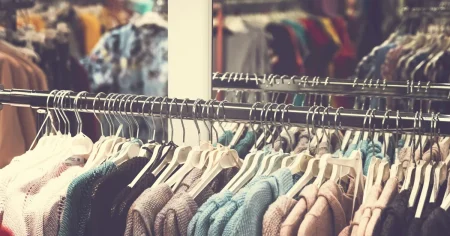
Your wardrobe has a voice, whether you realize it or not. It tells the story of where you’ve been, what you value, and sometimes, where you’re afraid to go.
But here’s the empowering part you get to rewrite that story. Your closet isn’t just a collection of clothes; it’s a toolkit for shaping how you move through the world.
So, is your wardrobe an escape from your life? Or is it an extension of it?
Answer that question, and you might just discover who you really are.