




The Allure of the Perfect White Tee
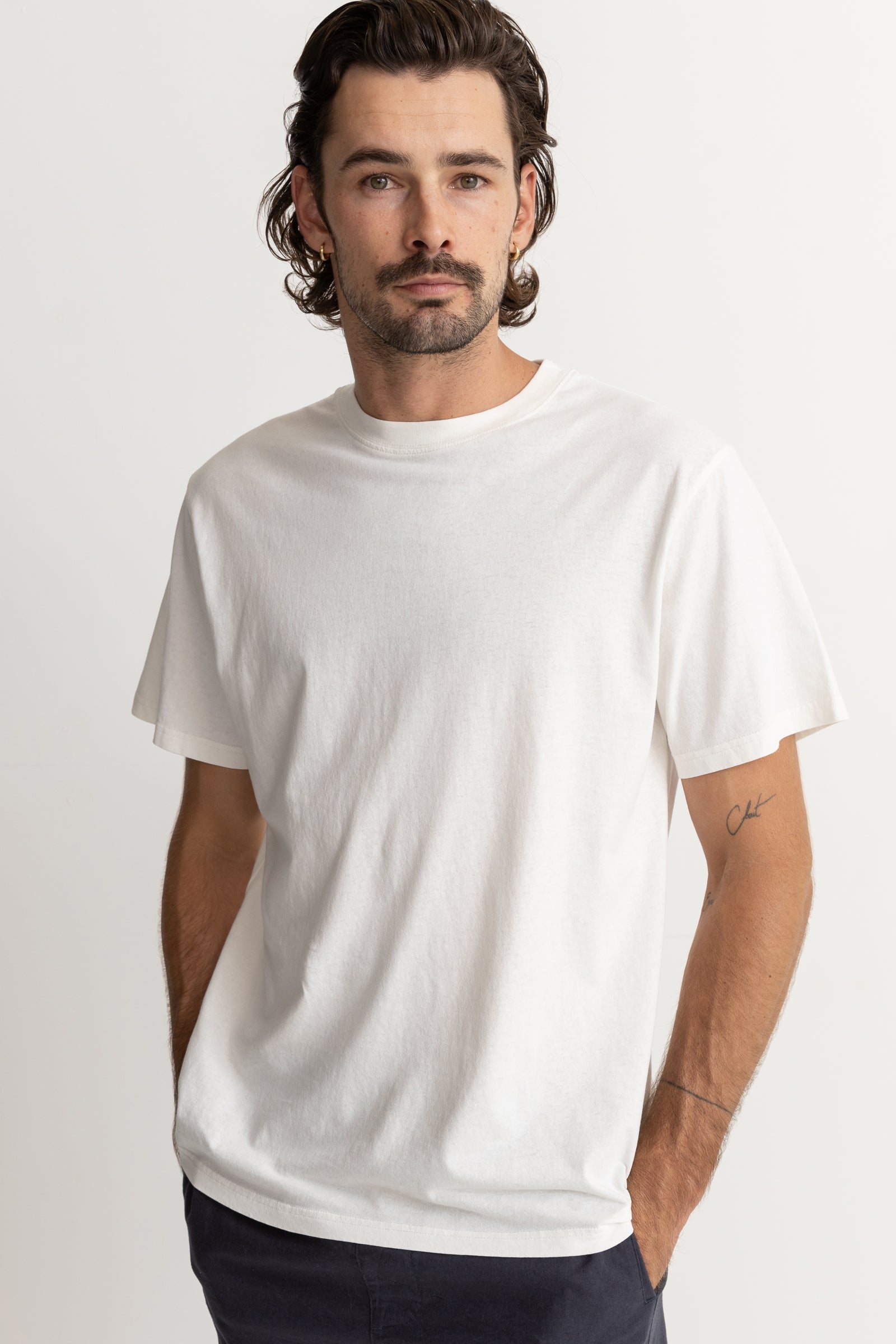
Imagine this: you’re flipping through racks at a boutique, and there it is simple, crisp, and seemingly flawless. A white T-shirt. You glance at the tag, and your heart skips. $200. For a T-shirt. You hold it up, feel the fabric, even try it on. It fits like it was tailored just for you, draping perfectly over your shoulders. But you hesitate. Can a piece this basic really be worth the price of dinner for two at a nice restaurant or three, if you’re being modest?
Why What You Wear Speaks Before You Do
Clothing is more than just fabric stitched together. It’s a conversation starter, a mood setter, and in some cases a status marker. A well-made white T-shirt might seem understated, but it can be the backbone of an entire wardrobe. Think about it: have you ever felt that rare thrill of putting on something that feels like it was made for you? It’s not just about the label or the cost; it’s about how it makes you feel.
But here’s the kicker: does spending more really mean you’re getting better quality? Or are you buying into an illusion crafted by marketing wizards? There’s no denying that a $200 tee from a luxury brand boasts superior fabric and construction compared to a $20 fast-fashion counterpart. Yet, the gap between “good” and “great” often isn’t as wide as price tags suggest.
The Hidden Cost of Dressing Down
Let’s talk about what makes a T-shirt “worth it.” High-priced tees often boast features like organic cotton, hand-sewn details, and perfectly engineered fits. They promise durability, comfort, and a look that lasts beyond a dozen washes. But here’s the uncomfortable truth: sometimes, you’re paying for the brand more than the fabric. The logo stitched into the tag carries as much weight as the shirt itself maybe even more.
I’ve fallen for it before, just like anyone else. Years ago, I shelled out an obscene amount for a designer white tee because, in a moment of weakness, I thought it would transform me into someone more… polished. Spoiler alert: it didn’t. It wore out just like any other T-shirt. Did it look good while it lasted? Sure. Did it justify the price tag? Not entirely. That moment stuck with me because it taught me to question what I was really paying for.
What Actually Makes a $200 Tee Different?
Okay, let’s break it down. What are you getting for $200 or at least, what are you supposed to be getting?
1. Fabric Quality: Luxury white tees often use premium materials like Peruvian Pima cotton or Japanese jersey. These fabrics feel softer, resist pilling, and maintain shape over time. But here’s a secret: mid-range brands use them too. You don’t have to spend $200 to get top-tier fabric.
2. Fit and Construction: High-end tees are meticulously designed, with every stitch strategically placed to create the perfect fit. They might have reinforced seams, pre-shrunk fabrics, or custom tailoring elements. But again, a $50 shirt can offer much of the same if you know where to look.
3. Sustainability and Ethics: Some luxury brands justify their prices by using eco-friendly practices and ethical labor a noble reason to pay more. But not all expensive tees are created equal in this regard, and price isn’t always indicative of sustainability.
What You’re Really Paying For
Let’s be brutally honest: a chunk of that $200 price tag is tied to branding. Luxury labels know their audience. They’re selling you a lifestyle, an identity, not just a shirt. Slipping on a designer tee might make you feel like you’re part of an exclusive club, but the reality is you’re paying for the psychology of status and exclusivity. And hey there’s nothing wrong with that, as long as you know what you’re signing up for.
But then there’s the other side of the coin. Some brands genuinely deliver value by using superior materials and techniques. They’re not trying to slap a logo on a basic product; they’re creating something that lasts. The challenge for consumers is discerning between the two.
How to Decide If It’s Worth It
So, how do you decide whether to spend $200 on a white tee or just snag one from Target for $10? Here are some questions to ask yourself:
1. What’s the occasion? If you’re buying a shirt to wear under a blazer for a job interview, a well-fitted, high-quality tee might be worth the investment. But if it’s for lounging at home, why not go for something more budget-friendly?
2. Is the quality discernible? Feel the fabric and inspect the stitching. If it doesn’t feel noticeably better than a mid-range option, it’s probably not worth the premium price.
3. How often will you wear it? A $200 tee that you wear twice a week for years might be a better investment than a cheaply-made shirt you replace every few months.
4. Are you paying for the brand? Be honest with yourself. Is the allure of the logo driving your decision, or is it the craftsmanship?
When Less Is More
Here’s a thought: sometimes, the best white T-shirt isn’t the most expensive one. It’s the one that makes you feel good every time you wear it whether that’s a $200 designer piece or a $20 no-name find. The joy of a perfect white tee isn’t in its price tag; it’s in its utility, its comfort, and its versatility.
Final Thoughts
The next time you’re tempted by that $200 white tee, take a moment to ask yourself: is this a piece that will elevate your wardrobe, or are you buying into the brand’s marketing mystique? There’s no wrong answer sometimes, the splurge is worth it. But other times, the perfect white tee might be hiding on a less glamorous rack, quietly waiting for you to find it.