




Why What You Wear Speaks Before You Do
In 1984, Steve Jobs stood on stage at Apple’s annual shareholders meeting wearing a black suit and bow tie. He was polished, deliberate, and every inch the young corporate leader. Fast-forward nearly 20 years, and the same man had swapped his tailored suit for a black turtleneck, jeans, and sneakers the uniform that became his trademark. But Jobs wasn’t the only one shedding the rigid conformity of traditional business attire. Somewhere along the way, the hoodie, once a symbol of rebellion, skate culture, and countercultural movements, found its way into the boardroom.
What changed? And why does the hoodie, of all things, carry such weight in the evolution of work culture and professional identity?
The Evolution of the Hoodie
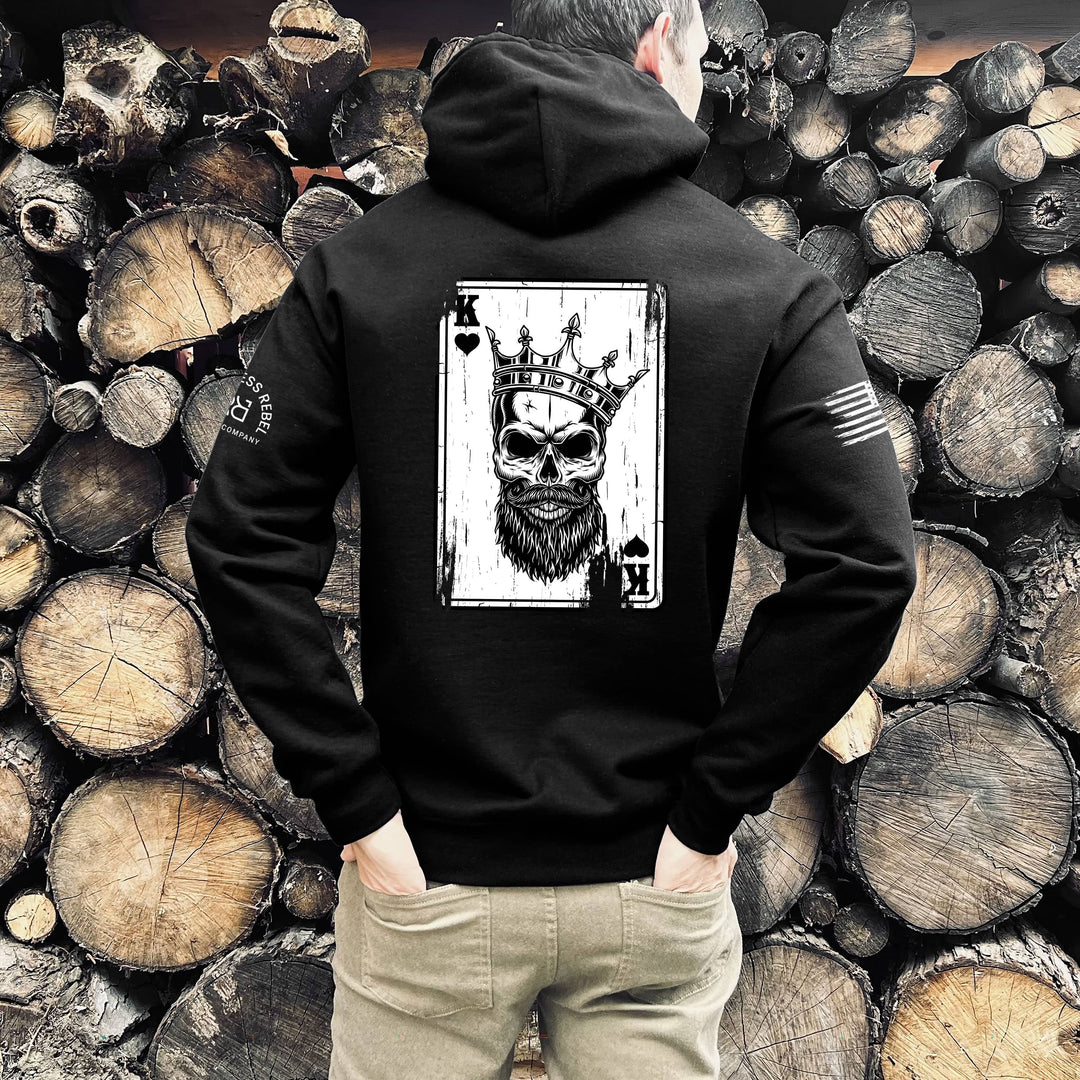
The hoodie didn’t start out as a fashion statement. Its origins are purely functional. In the 1930s, Champion designed the first hooded sweatshirts for workers braving the cold in upstate New York. It was utilitarian, tough, and designed for comfort not style. By the 1970s, however, the hoodie had been co-opted by athletes, hip-hop artists, and streetwear brands. It became a symbol of defiance, worn by those who didn’t care about fitting into mainstream society.
Then came Silicon Valley.
In the late 1990s and early 2000s, tech entrepreneurs like Mark Zuckerberg and Evan Spiegel embraced the hoodie as part of their anti-establishment ethos. It was a rejection of Wall Street’s tailored suits and a declaration that innovation didn’t need to look formal. The hoodie became synonymous with creativity, disruption, and the idea that what you did mattered more than what you wore.
But let’s not romanticize it too much.
The Hidden Cost of Dressing Down
I once attended a tech conference where the keynote speaker, a CEO of a rising startup, wore a faded hoodie and sneakers. Sure, it matched the vibe of the room but there was something off. When he spoke, his words lacked authority. It was as though the casual attire stripped away some of the weight his position carried.
This wasn’t just my perception. Studies have shown that clothing influences how people perceive competence, trustworthiness, and even intelligence. While the hoodie suggests creativity and innovation, it can also convey a lack of seriousness especially in industries outside tech.
So, here’s the paradox: The hoodie works when you’ve already made it. Zuckerberg’s hoodie is iconic because Zuckerberg is iconic. But for those climbing the ladder, dressing down can inadvertently send the message that you’re not ready for the big leagues.
From Rebellion to Respectability
The hoodie’s journey into the corporate sphere wasn’t just about Silicon Valley. It was about the shifting tides of workplace culture.
As startups disrupted traditional industries, the idea of what a “professional” looked like started to change. Suit-and-tie culture gave way to open offices, collaborative spaces, and a focus on results over appearances. The hoodie became a visual shorthand for this new era a reminder that innovation doesn’t play by the old rules.
But here’s where it gets interesting. The hoodie didn’t just infiltrate startup culture; it began to reshape corporate culture itself. Today, you’re just as likely to see an executive at Google or Meta wearing one as you are a junior developer. Luxury brands like Balenciaga and Gucci even stepped in, transforming the humble hoodie into a high-fashion item. It’s no longer just a symbol of rebellion; it’s a symbol of status.
Does It Work for Everyone?
Let’s be honest: The hoodie isn’t universal.
Imagine walking into a law firm or a financial institution wearing one. Odds are, you’d raise a few eyebrows or worse, be dismissed entirely. These industries are steeped in tradition, where professionalism is still largely tied to formal attire.
Even within tech, the hoodie has its limits. I’ve worked with startups where founders deliberately avoided the “Zuckerberg look” for fear of seeming unpolished to investors. Because here’s the truth: While the hoodie might signal creativity, it doesn’t always signal credibility.
So, what’s the takeaway?
Finding the Balance
The hoodie’s rise from rebellion to boardroom reflects a broader shift in workplace culture one that values authenticity and results over conformity. But it’s not a one-size-fits-all solution.
If you’re navigating industries where tradition reigns, the hoodie might not be your best bet. In environments that prize innovation and creativity, however, it can be a powerful tool for signaling that you’re part of a new wave of thinkers.
The key is knowing your audience.
Personally, I’ve found that blending casual and formal elements works best. A hoodie under a blazer, for example, strikes a balance between approachable and professional. It’s a way of saying, “I take my work seriously, but I don’t take myself too seriously.”
The Question Worth Asking
So, what does your clothing say about you?
Before you reach for that hoodie or that suit ask yourself: What message do I want to send? Because whether we like it or not, what we wear speaks before we do.