





The Allure of the Unknown
Picture this: You’re strolling through a bustling market in a quaint European town. The cobblestones are uneven, the air smells like fresh bread and roasted coffee, and tucked away in a quiet corner, you see a leather bag hanging from a modest stall. It doesn’t have a flashy logo, no Instagram-worthy packaging, but the craftsmanship? Impeccable. You ask the vendor who made it, and they name a small workshop miles away, run by a family whose last name you can’t even pronounce.
This isn’t just a hypothetical scenario it’s the reality of some of the best products in the world. The idea that “the best stuff is often hidden” isn’t just romanticism. It’s a fact. And yet, most of us stick to the brands we know, the ones plastered on billboards or hyped in influencer videos. But what if I told you that the labels you’ve never heard of the invisible brands might just be the ones worth your attention?
Why What You Wear Speaks Before You Do
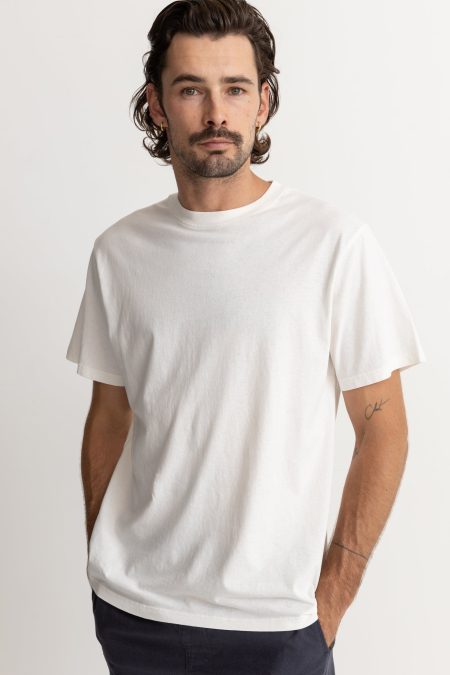
We all know the saying: “Clothes make the man.” But let’s be real it’s not just about clothes. It’s about the message they send. A mass-market brand with a giant logo across your chest screams one thing. A well-tailored jacket with no visible branding? That whispers sophistication.
Invisible brands excel here. They rely on their quality, not their name, to make an impression. Think about that for a second. If a brand doesn’t have millions to spend on marketing, they have to get one thing absolutely right: their product.
But there’s a catch. These brands are hard to find. They won’t come up in your usual Google searches unless you know exactly what you’re looking for. And that’s part of the charm, isn’t it? The exclusivity. The feeling that you’ve discovered something others haven’t.
The Hidden Cost of Big-Name Brands
Let’s address the elephant in the room: Why do big brands dominate? It’s simple. They’re convenient, accessible, and familiar. But here’s the dirty little secret they’re often overpriced for what they deliver.
Take designer handbags, for example. A $2,000 purse from a luxury brand might cost $200 to produce. The rest? Marketing, overhead, and the privilege of owning something with a recognizable logo. And listen, I get it. There’s a certain pleasure in owning a name that turns heads. But is it really worth it when you could get something equally (or more) stunning at a fraction of the price just because it doesn’t have that logo?
Here’s a confession: I once splurged on a big-name coat. It was gorgeous, sure, but after one season, the stitching started to fray. Meanwhile, a no-name jacket I picked up on a whim from a boutique in Tokyo? Still going strong after five winters.
How to Spot the Gems Among the Hidden
So, how do you uncover these invisible brands? It’s easier than you think if you’re willing to put in a little effort.
1. Start with Local Markets and Boutiques
Whenever you travel or even when you explore your own city skip the malls and head for the independent shops. These places are often treasure troves of high-quality, under-the-radar brands.
2. Leverage Online Communities
Reddit threads, niche Facebook groups, and even Instagram hashtags can lead you to hidden gems. Search for terms like “underrated brands” or “independent designers” and let curiosity guide you.
3. Pay Attention to Materials and Craftsmanship
Invisible brands often focus on quality over quantity. Look for natural fibers, solid stitching, and thoughtful design. A good rule of thumb? If it feels good to touch and looks like it could last a decade, it’s probably worth it.
4. Investigate the Backstory
Many small brands have fascinating stories whether it’s a family-run business passed down through generations or a designer breaking free from the constraints of fast fashion. These stories often lend an extra layer of meaning to what you’re buying.
When Invisible Goes Mainstream
Let me tell you about Veja, the French sneaker brand. For years, they were an “if you know, you know” kind of label. No big ads, no celebrity endorsements just sustainable materials and clean design. But then word got out. Suddenly, they were everywhere.
Here’s the irony: The moment an invisible brand becomes visible, it risks losing what made it special in the first place. The exclusivity, the quiet confidence it all starts to fade. And yet, brands like Veja prove that it’s possible to scale without selling out.
But not all brands can or want to follow that path. Some prefer to remain in the shadows, catering to a loyal but small audience. And honestly, there’s something beautiful about that.
Are You Ready to Ditch the Logo?
Here’s the real question: Are you okay with wearing something that doesn’t announce itself? For a lot of people, the answer is no. They want the recognition, the validation that comes with a big name. And there’s nothing inherently wrong with that.
But if you’re the kind of person who values quality over clout, who loves the thrill of discovery, then invisible brands are your playground.
So the next time you’re tempted to buy another mass-market product, pause. Ask yourself: Is there something better out there? Something quieter, but infinitely more special?
The answer might just surprise you. And when someone stops you on the street to ask, “Where did you get that?” you can smile knowingly and say, “Oh, it’s this little brand you’ve probably never heard of.”
Because isn’t that half the fun?