




The Illusion of Simplicity in a Crowded Market
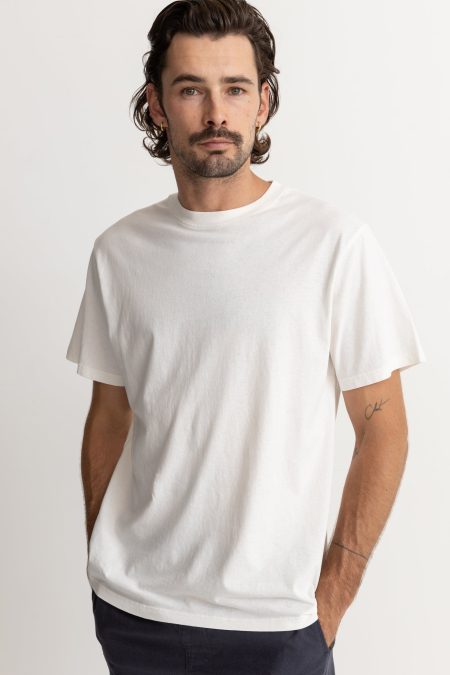
You walk into a store or more likely, open yet another tab online on a mission to find the perfect minimalist T-shirt. It should be easy, right? After all, simplicity is the whole point. Yet, five minutes in, you’re drowning in choices: organic cotton, heavyweight, lightweight, oversized, slim-fit, cropped, crew neck, V-neck, neutral tones, muted tones, “vintage-inspired” neutrals. And that’s before you even click into the reviews, where someone will inevitably complain the fit is “too boxy” while another swears it’s “too tight.”
Minimalism, it seems, has become anything but simple.
How Did We End Up Here?
The minimalist aesthetic clean lines, neutral colors, timeless designs started as an intentional rebellion against excess. It wasn’t just about clothes; it was a philosophy. Fewer but better. Quality over quantity. The classics you could wear for years, maybe even decades. But then, like most good ideas, it got commoditized.
Brands saw an opportunity: instead of selling us more stuff, they’d sell us on buying into “less.” Ironically, the result has been an explosion of minimalist options. Every brand, from fast fashion giants to high-end labels, now has some version of “the perfect white T-shirt” or “the only black dress you’ll ever need.” The problem? Each one claims to be the minimalist solution, leaving us overwhelmed by options in a category that’s supposed to reduce decision fatigue.
Why Too Many Choices Defeat the Purpose
Here’s the catch: the minimalist wardrobe only works if you actually feel satisfied with your choices. When faced with dozens of similar options, most of us don’t feel empowered we feel paralyzed. Psychologists call this “choice overload,” and it’s a real thing. The more options we have, the harder it is to make a decision, and the less happy we tend to be with whatever we pick.
I’ve been there. I once spent an embarrassing amount of time researching “the best minimalist sneakers.” I read reviews, compared leather qualities, debated sole thickness. When I finally bought a pair, I felt relief more than joy. And then, inevitably, I saw another pair a few weeks later that seemed slightly better.
So much for simplicity.
When Minimalism Becomes a Performance
Another layer to this dilemma is how minimalism has shifted from a personal style choice to a performative identity. Social media platforms are flooded with influencers showing off their “capsule wardrobes” or perfectly curated neutral outfits. But here’s the kicker: these “minimalist” wardrobes are often anything but minimal. They may be monochromatic and cohesive, but they’re also extensive and expensive.
This performative minimalism creates pressure. You’re not just buying a white shirt; you’re buying into a lifestyle, one that suggests you’re calm, intentional, and effortlessly chic. It’s aspirational, sure, but it’s also exhausting. And let’s be honest: most of us don’t have the time or money to curate that level of perfection.
The Ethics of “Simple” Fashion
Then there’s the ethical angle. Minimalist fashion often markets itself as more sustainable fewer, higher-quality pieces mean less waste, right? But only if you stop at “fewer.” The moment you start replacing last year’s perfect white T-shirt with this year’s upgraded version, you’re back in the same cycle of consumption.
And let’s talk price. Many minimalist brands command premium prices, which they justify with claims of ethical production and better materials. But how often do we really dig into those claims? Are we paying for quality, or for the branding of simplicity? Sometimes it’s both. Sometimes it’s neither.
How to Actually Simplify Your Wardrobe
So, how do you escape the minimalist trap while still embracing the philosophy behind it? Here’s what I’ve learned mostly the hard way:
1. Decide on Your Own “Essentials”
Forget what the internet tells you a capsule wardrobe should look like. Maybe you don’t need five white shirts. Maybe you hate black. Maybe your version of a minimalist wardrobe includes a neon green jacket because it makes you happy. The point is to focus on what you actually wear and love.
2. Limit Your Options
This one’s crucial. Pick one or two brands you trust and commit to shopping from them exclusively for certain staples. Yes, it’s tempting to research every possible option, but the time you’ll save is worth more than the marginally better fabric or fit you might find after hours of searching.
3. Embrace Imperfection
No piece of clothing is going to be perfect, and that’s okay. A slightly loose neckline or a color that fades over time doesn’t have to ruin the item for you. If it’s good enough, let it be good enough.
4. Prioritize Versatility Over Novelty
This is where the minimalist philosophy really shines. Look for items that can serve multiple purposes like a blazer that works for both the office and a casual dinner. But here’s the catch: don’t use “versatility” as an excuse to overbuy. One pair of black trousers is probably enough.
5. Take a Break from Shopping
This might sound counterintuitive, but sometimes the best way to simplify is to stop looking for new things altogether. Spend a month or three wearing only what you already own. You’ll quickly figure out what you actually need versus what you’re just tempted to buy.
Final Thoughts: Is Minimalism Worth It?
Here’s the thing: minimalism, when done right, can be liberating. It clears the clutter, both physical and mental, and helps you focus on what truly matters. But when it’s turned into another consumer trend, it risks becoming just another way to complicate our lives.
So the next time you find yourself scrolling through page after page of “simple” clothes, ask yourself: are you shopping to simplify your life, or to keep up with an idea of simplicity that’s been sold to you? It’s not always an easy question to answer but then again, the best questions never are.
[Insert relevant internal link here]