


The Secondhand Market for “Boring” Clothes Is Booming Here’s Why
Why What You Wear Speaks Before You Do
Picture this: you’re scrolling through Instagram, and every influencer seems to be flaunting the latest oversized blazer or perfectly faded pair of jeans. But here’s the twist they’re not bragging about which luxury boutique they visited last week. Instead, they’re tagging vintage shops, thrift stores, or online secondhand platforms like Poshmark and ThredUp. And the clothes? They’re not flashy, over-the-top statement pieces. They’re “boring” essentials neutral sweaters, plain tees, and functional trousers. So, why is everyone suddenly rushing to buy secondhand, simple clothing?
I know what you’re thinking. Isn’t secondhand shopping supposed to be about finding unique, quirky treasures? Something nobody else has? Well, sure, that’s part of it. But that’s not the story anymore. The secondhand fashion market has shifted, and it’s thriving on the most unlikely category: basic, timeless, and yes, downright “boring” clothes. Let’s break down why.
The Rise of the Anti-Trend Movement
First, let’s talk trends or, more accurately, the backlash against them. For years, fast fashion has trained us to chase the latest micro-trends. One season it’s neon green, the next it’s puff sleeves. Sound exhausting? It is. And a lot of people are burned out by the constant cycle of buying things they’ll regret six months later.
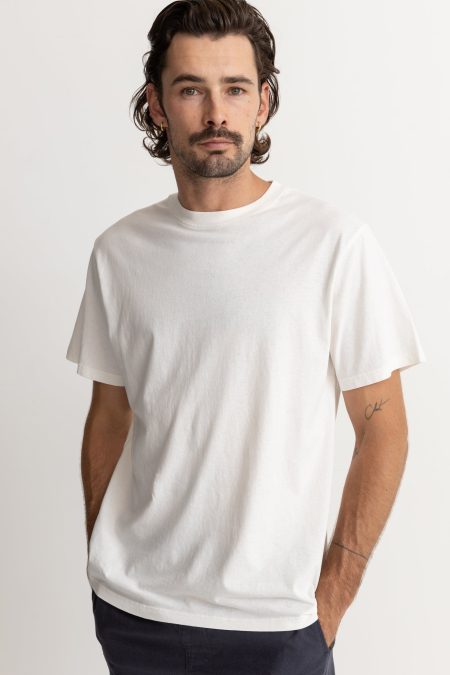
Enter the anti-trend movement, where the goal isn’t to stand out but to blend in. Think about it: a plain white T-shirt or a well-fitted pair of black trousers will never go out of style. They’re the backbone of a wardrobe, the pieces you can wear a hundred times without anyone noticing or judging. And when people realize they can get these staples secondhand for a fraction of the price? Game over for fast fashion.
I’ll admit, I used to be skeptical of this whole “anti-trend” thing. I mean, how exciting can beige cardigans and black loafers really be? But then I got it. These “boring” clothes aren’t boring at all they’re classic. And they’re making a comeback because they’re the antidote to trend fatigue.
The Hidden Cost of Dressing Down
Here’s where it gets interesting. People usually think of secondhand shopping as a purely economic choice. After all, who doesn’t love saving money? But there’s a deeper, more psychological reason behind the boom in secondhand basics: people want to feel responsible.
Let’s face it fast fashion has a massive environmental cost. The textile industry is one of the largest polluters in the world. And while the flashy stuff might catch your eye, it’s often made from cheap materials that fall apart after a few washes. When you buy secondhand, especially timeless basics, you’re not just saving money; you’re making a lifestyle choice that aligns with your values. At least, that’s what we tell ourselves when we hit “add to cart.”
But here’s the kicker: even secondhand shopping isn’t without its pitfalls. I once bought a “vintage” trench coat online, thinking I was the next Audrey Hepburn. When it arrived, it smelled like a mix of attic dust and regret. Turns out, not everything secondhand is a gem. Still, the experience taught me to shop more carefully and to value quality over quantity.
How Minimalism Plays a Role
Another factor driving the secondhand market for basics is the rise of minimalism. The KonMari craze and the “less is more” philosophy have convinced people to declutter their closets and focus on versatile pieces that work across various settings. A charcoal gray sweater can go from the office to a casual brunch. A pair of leather boots can last you years if you take care of them. These aren’t just clothes they’re investments.
And minimalism isn’t just a personal choice anymore; it’s a cultural shift. Social media, ironically, has played a massive role in this. You’ll find countless influencers showing off their “capsule wardrobes,” where every piece of clothing works seamlessly with every other. The idea is seductive: less clutter, more style. But here’s the twist buying new basics kind of defeats the purpose. That’s where secondhand comes in.
The Role of Technology in Secondhand Success
Let’s not forget how technology has supercharged the secondhand market. Apps like Depop, Vinted, and even eBay have made it ridiculously easy to find exactly what you’re looking for. Want a pre-loved cashmere sweater in size medium? Just type it in, and voilà options galore.
But tech hasn’t just made secondhand shopping more convenient; it’s also made it cooler. These platforms often feel like social networks, with users curating their own “shops” and showcasing their finds. Buying secondhand no longer feels like rummaging through someone’s attic it feels like discovering a hidden treasure trove curated just for you.
What This Means for the Future of Fashion
So, where does this leave us? If you’re expecting me to say that secondhand basics will completely replace new clothing, I’ve got to disappoint you. That’s not happening anytime soon. But what we are seeing is a shift in consumer priorities. People are looking for durability, sustainability, and affordability and they’ve realized they can have all three without sacrificing style.
But here’s the big question: will this trend last? Or is the boom in secondhand “boring” clothes just another phase, destined to be replaced by the next big thing? Honestly, it’s hard to say. Fashion is cyclical by nature, and consumer behavior is tricky to predict. But if there’s one thing I’ve learned over the years, it’s this: people crave meaning in what they wear. And for now, that meaning seems to lie in making quieter, more thoughtful choices.
Let’s end with this: have you ever walked into your closet and felt like you had absolutely nothing to wear, even though it’s packed with clothes? Maybe the answer isn’t to buy more. Maybe it’s to buy smarter. And maybe, just maybe, it’s time to embrace the beauty of “boring.”