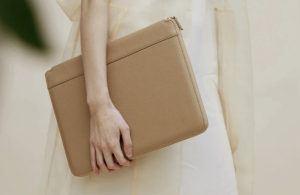






Let me set the scene for you: I’m sitting in a brightly lit studio, surrounded by racks of clothes that look like they’ve been plucked straight from glossy magazine spreads. The stylist a woman with the kind of effortless confidence that makes you question every outfit you’ve ever worn has just tilted her head and said, “You’re wearing the right clothes, but for all the wrong reasons.”
I blinked. What does that even mean? I thought I was doing everything right. I mean, I’d spent hours piecing together my wardrobe, following the rules I’d picked up from countless articles, YouTube videos, and Pinterest boards. I’d invested in the “essentials”: the tailored blazer, the perfect pair of dark jeans, the classic white sneakers. And yet, here I was, being told by a professional, no less that I had missed the mark.
Why What You Wear Speaks Before You Do
Here’s the thing about clothes: they’re not just fabric. They’re a language. They tell the world who you are before you even open your mouth. And whether we like it or not, people form opinions about us based on what we wear. You know that saying, “Dress for the job you want, not the job you have”? It’s not just about looking good; it’s about signaling your values, your personality, your aspirations.
The stylist didn’t say my clothes weren’t nice that would’ve been easier to digest. She said I was wearing them for the wrong reasons. And she was right. I wasn’t dressing for myself; I was dressing for the world. For the approval of strangers. For the idea of what I thought “successful” or “cool” looked like. My outfits were a carefully curated collection of what I thought other people wanted me to be, not what I actually wanted to express.
The Hidden Cost of Dressing Down
But let’s pause for a moment. What happens when you stop dressing for others and start dressing for yourself? For some of us, that sounds like freedom. For others, it sounds terrifying. After all, the world thrives on appearances. Skip the blazer in a corporate meeting, and you’re the unprofessional one. Wear sneakers to a formal dinner, and suddenly you’re “disrespectful.” There are unspoken rules, and no one likes being the odd one out.
Still, there’s a hidden cost to dressing down or rather, dressing without intention. It’s not just about being judged by others; it’s about the message you send to yourself. When you wear clothes that don’t resonate with who you are or how you feel, it’s like walking around in someone else’s skin. Uncomfortable. Disconnected. And the worst part? You might not even notice it because you’ve been doing it for so long.
When Style Becomes a Costume
Here’s the truth I didn’t want to admit: my wardrobe had become a costume. Sure, it looked nice, but it wasn’t me. I was playing a role one I thought I had to play to fit in, to be successful, to be taken seriously. I chose outfits not because they made me feel good, but because they made me look like the person I thought I was supposed to be. And it worked. People complimented me. I got nods of approval. But deep down, I felt like a fraud.
Have you ever felt that? Like you’re trying to pass off someone else’s style as your own? Maybe you keep wearing those tailored pants because you think they scream “I’ve got my life together,” even though you’d rather be in a flowy dress or ripped jeans. Or maybe you’re forcing yourself into heels when sneakers are really your happy place. It’s exhausting, isn’t it?
This was my failure moment realizing I had spent years investing in the “right” clothes for the “wrong” reasons. It wasn’t about me. It was about everyone else.
How to Find Your Style (For the Right Reasons)
So, what’s the solution? How do you make sure you’re dressing for you and not for the imaginary audience in your head? Here are some lessons I learned, the hard way:
1. Start with comfort.
Ask yourself: do I feel good in this? And no, I don’t mean good as in “does this make me look thinner” or “will people think I’m cool.” I mean, does this shirt feel soft against your skin? Can you move freely in those pants? If the answer is no, then it might be time to reconsider.
2. Understand your why.
When you shop for clothes or even when you pick your outfit in the morning ask yourself why you’re choosing what you’re choosing. Is it because it makes you happy? Or because it’s what you think should make you happy? And yes, it’s okay to dress for specific occasions, but don’t lose sight of your personal preferences in the process.
3. Pay attention to what you gravitate toward.
Take a mental inventory of the clothes you wear most often. Is there a theme? A color palette? A style? Your most-worn pieces say a lot about what makes you comfortable and confident. Lean into that instead of fighting it.
4. Experiment with authenticity.
Here’s a challenge: for one week, wear outfits that make you feel like the most authentic version of yourself, even if they don’t fit the image you think you’re supposed to project. See how you feel. It might be uncomfortable at first especially if you get some sideways glances but pay attention to how your mood changes.
5. Ditch the “rules.”
Fashion rules are like those unwritten social norms you follow without knowing why. Who decided you can’t wear white after Labor Day? Or that sneakers don’t belong in the workplace? These rules are made up. Break them. Your style is yours to define.
What Happens When You Start Dressing for Yourself
I won’t lie to you: it’s not all sunshine and rainbows. When I started dressing for myself instead of others, I felt exposed. Vulnerable, even. It was like I couldn’t hide behind my “I’m so put together” armor anymore. But something shifted. I started to feel more at ease in my own skin. My confidence stopped depending on other people’s approval and started coming from within. I wasn’t just wearing clothes; I was wearing me.
And you know what’s funny? People noticed. Not just the clothes, but the fact that I seemed more comfortable, more present, more alive. They couldn’t quite put their finger on it, but I could. I wasn’t wearing a costume anymore. I was wearing my truth.
What Will Your Clothes Say Tomorrow?
So, here’s the question I want to leave you with: what do you want your clothes to say about you? Not what society says they should say. Not what your friends or coworkers might think. But you. What do you want to feel when you put on that jacket or those shoes?
The stylist was right, you know. I was wearing the right clothes for the wrong reasons. But now? Now I wear the right clothes for the right reasons. And let me tell you, that feels better than any compliment ever could.