


The Allure of Timeless Style
Picture this: you’re attending a high-profile fashion event, and while everyone else is decked out in the latest designer collections, one guest walks in wearing a vintage Chanel jacket from the 80s. It’s slightly worn, the gold buttons have a bit of patina, but somehow, it steals the show. People can’t stop complimenting them, asking where they got it, and marveling at how it feels simultaneously classic and entirely fresh. Sound familiar? This is the magic of vintage fashion.
New collections come with the hype of runway shows, celebrity endorsements, and marketing campaigns that scream “this is what’s in right now.” But vintage? Vintage whispers. It doesn’t beg for attention it demands it in its own quiet, confident way. Why is that? Why do certain vintage pieces effortlessly overshadow the newest offerings? Let’s dive in.
The Craftsmanship Factor
If you’ve ever held a vintage Hermès bag or slid into a pair of perfectly tailored Yves Saint Laurent trousers from the 70s, you’ve probably noticed something: the quality feels different. Not “better” in a vague, nostalgic way tangibly different. Many vintage pieces were made in a time when fast fashion wasn’t dictating design and production. Materials were chosen for longevity, stitches were sewn by skilled hands, and details weren’t just decorative they were functional.
Take, for example, vintage Levi’s jeans. The denim from decades ago was heavier, built to endure hard labor, yet somehow softens beautifully with age. Compare that to the lighter-weight denim you’ll find in today’s collections, which might look good but often sacrifices durability for stretch and trendiness. This isn’t to knock modern fashion outright, but it raises the question: are we valuing the wrong things when we prioritize “newness” over resilience?
Uniqueness That Can’t Be Replicated
Here’s where vintage really flexes its muscles: rarity. Think about it. A new Gucci bag is stunning, sure, but there are hundreds if not thousands of identical ones floating around. A vintage Gucci bag, on the other hand, might be one of only a few left in existence. That level of uniqueness isn’t just appealing; it’s intoxicating.
I once found a vintage Diane von Furstenberg wrap dress at a thrift store. It wasn’t one of her reissued designs it was an original from the 70s, with a print that looked like it belonged in a modern art museum. Wearing it felt like wearing a piece of history. And here’s the kicker: someone stopped me at a party to ask if it was “custom-made.” That’s the power of vintage it doesn’t just stand out; it makes people wonder where it came from and why they haven’t seen it before.
The Sustainability Argument
Let’s talk about the elephant in the room: modern fashion’s environmental footprint. Every year, millions of tons of clothing end up in landfills, much of it from fast fashion brands that churn out collections faster than we can wear them. Buying vintage isn’t just an aesthetic choice it’s a sustainable one. By giving pre-loved pieces a second life, we’re reducing waste and minimizing demand for resource-heavy production processes.
But here’s where I’ll admit my own hypocrisy. For years, I was that person chasing every new trend, buying items I didn’t need simply because they were “in.” My closet was a revolving door of impulse purchases. It wasn’t until I started exploring vintage shops and secondhand stores that I realized how much more satisfying it is to own something with a story.
When Vintage Outshines the New
Let’s get specific. There are certain scenarios where vintage doesn’t just hold its own against new collections it completely eclipses them. Here are a few examples:
1. Statement Accessories
Vintage jewelry, handbags, and scarves often have a level of intricacy and character that modern designs struggle to match. Think vintage Cartier watches or a hand-painted silk scarf from Pucci. These pieces don’t just complement an outfit they elevate it.
2. Outerwear
Vintage coats and jackets are often tailored to perfection and feature details that are hard to find in modern designs. A classic Burberry trench from the 60s, for instance, feels more authentic than its newer, logo-heavy counterparts.
3. Event Wear
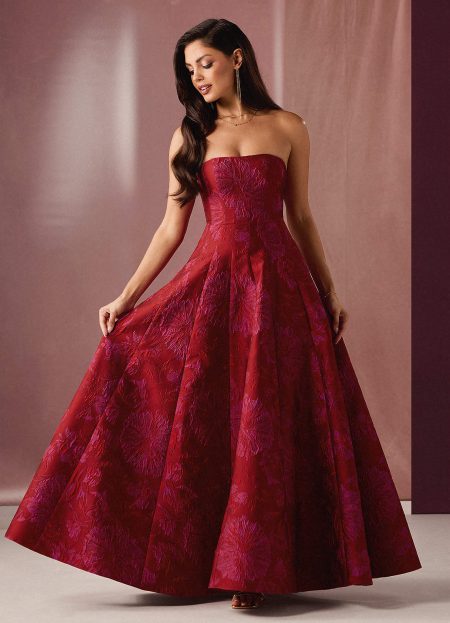
When dressing for weddings, galas, or other formal events, vintage gowns and suits often steal the show. Why? Because they’re not mass-produced. You’re not going to run into someone wearing the exact same thing.
How to Integrate Vintage Without Looking Outdated
A common fear when dabbling in vintage is that you’ll look like you’re wearing a costume. Trust me I’ve been there. I once paired a vintage blazer with a wide-brimmed hat and ended up looking like I was auditioning for a period drama. Lesson learned.
Here’s how to avoid that trap: mix vintage with modern. Pair a vintage band tee with sleek leather pants, or wear an antique brooch on a contemporary blazer. The contrast is what makes the look feel fresh, not dated.
What’s the Catch?
Of course, vintage isn’t all sunshine and roses. There’s the issue of sizing many older pieces were made for body shapes that don’t align with today’s standard sizes. Then there’s the hunt itself; finding high-quality vintage requires patience, persistence, and sometimes a bit of luck. And let’s not forget the heartbreak of discovering a perfect piece, only to realize it’s way out of your budget.
But isn’t that part of the charm? The imperfections, the quirks, the effort it takes it all adds to the sense of discovery. You don’t just buy vintage; you find it. And that’s a feeling no new collection can replicate.
The Final Thought
So, why do vintage pieces outshine new collections? It’s not just about quality or rarity, though those factors matter. It’s about the stories they carry, the craftsmanship they represent, and the individuality they allow us to express. Vintage isn’t just clothing it’s a conversation starter, a mood, a quiet rebellion against the disposable culture of modern fashion.
Next time you’re tempted by the latest trend, ask yourself: do I really want what everyone else is wearing? Or do I want something that feels like it was made for me?