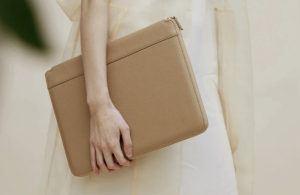






Why Buying the ‘It’ Bag Won’t Fix the Imposter Syndrome You Feel at Work
It starts with a glance across the conference room. Someone walks in, carrying that bag the one everyone’s been posting on Instagram, the one with the unmistakable logo, the one that screams, “Look at me, I’ve made it.” You feel a strange pang. Maybe it’s envy, maybe it’s inadequacy, or maybe you just wonder if owning something like that would finally make you feel like you belong here. After all, isn’t that what successful people do? They wear their success on their sleeve or in this case, their arm.
But let me spoil the ending for you: buying that bag won’t make you feel any better about your place at work. And no, it’s not because luxury goods are inherently bad or because you shouldn’t want nice things. It’s because the roots of imposter syndrome go so much deeper than anything a shopping spree can fix.
The Whisper in Your Head: “Do I Even Deserve to Be Here?”
Imposter syndrome has a way of showing up uninvited, doesn’t it? Maybe you’ve just landed a promotion, and instead of celebrating, you spend the night wondering when someone will figure out you’re not actually qualified. Or perhaps you’re in a meeting, surrounded by people using jargon you don’t quite understand, and you feel like a fraud for nodding along.
Here’s the thing: Imposter syndrome thrives on comparison. And in today’s world, that comparison isn’t just about skills or achievements it’s visual. Social media and office culture amplify this by making success look like something you can wear, drive, or vacation in. It’s easy to believe that if you just looked the part, you’d finally feel like you belonged.
But here’s what no one tells you: imposter syndrome doesn’t care how expensive your bag is. It doesn’t care if your shoes are designer or if you drive a car that costs more than your annual salary. It’s a shape-shifter, finding new ways to make you doubt yourself no matter what you achieve or buy.
Why Stuff Will Never Be Enough
I’ll admit it: I’ve fallen for the trap myself. Early in my career, I bought a pair of shoes I couldn’t really afford because I thought they’d make me look more “professional.” And for a while, they did. People noticed. I felt confident walking into meetings until I didn’t. The shoes became just shoes, and the doubts crept back in. Why? Because the shoes hadn’t fixed the underlying issue: my belief that I wasn’t good enough.
Here’s the hard truth no one likes to talk about: material things can give you a temporary boost, but they can’t change the way you see yourself. That’s an inside job. And if you’re not tackling the root of your imposter syndrome, you’ll just keep chasing the next shiny thing, hoping it will fill the void.
The Real Cost of Chasing the “It” Factor
Let’s talk about what this cycle actually costs you not just financially, but emotionally. When you tie your self-worth to external markers like a bag or a title or a corner office, you’re handing over control of your confidence to something you can’t fully control. What happens if that bag goes out of style next season? Or if someone else at work shows up with an even more expensive one?
Worse yet, this mindset can lead to burnout. You feel like you have to keep up appearances, and that pressure becomes exhausting. I’ve seen people take on extra work, not because they’re passionate about it, but because they think it’ll make them “look” successful. Spoiler alert: it doesn’t. It just makes them tired and still unsure of themselves.
So, What Actually Works?
If buying the bag isn’t the answer, what is? Let’s start with the uncomfortable truth: there’s no quick fix for imposter syndrome. But there are ways to manage it that don’t involve a credit card swipe.
1. Recognize the Pattern
First, start noticing when those feelings of inadequacy creep in. Are there certain situations or people that trigger them? Once you identify the patterns, you can start to challenge them. For example, if you always feel like a fraud in meetings, ask yourself: is it because you’re genuinely unprepared, or is it just your inner critic talking?
2. Reframe Your Thinking
Instead of focusing on what you lack, try flipping the script. What do you bring to the table that no one else does? Maybe it’s a fresh perspective, or a knack for problem-solving, or a skill that’s undervalued but incredibly useful. Confidence isn’t about being the best at everything it’s about owning your unique strengths.
3. Build from the Inside Out
Invest in yourself, but not in the way you think. Take that money you were going to spend on the bag and use it for something that truly helps you grow. Sign up for a course to improve your skills, hire a coach, or even just take some time to read books that inspire you. The more you invest in your actual abilities, the harder it becomes for imposter syndrome to convince you that you don’t belong.
4. Talk About It
You’d be surprised how many people around you are feeling the same way. Sharing your struggles with a trusted colleague or mentor can be incredibly liberating. It’s like turning on the light in a dark room: suddenly, the monster doesn’t seem so scary anymore.
5. Redefine Success
Here’s a radical idea: what if success wasn’t about what you own or how others perceive you? What if it was about how you feel at the end of the day? Are you proud of the work you’re doing? Are you growing? Are you staying true to your values? These are the metrics that matter not the brand on your purse.
Final Thoughts: What Story Are You Telling Yourself?
At the end of the day, the “It” bag isn’t just a bag. It’s a stand-in for the story we tell ourselves about what success looks like and who deserves it. But here’s the good news: you get to rewrite that story. You get to decide that your worth isn’t tied to what you own or what other people think of you.
So, the next time you catch yourself eyeing that bag or car, or watch, or whatever it is ask yourself: what am I really looking for? Because chances are, it’s not in the store.