




Why Fashion Editors Are Wearing the Same Brands as Tech Bros
It was a scene straight out of a Silicon Valley happy hour. Patagonia vests, minimalist sneakers, and a sea of monochromatic color palettes. But this wasn’t a tech startup meetup. It was the front row of a major fashion show in Paris. Yes, the same brands that tech bros have been rocking in their open-plan offices are now making their way into the curated wardrobes of fashion editors. How did we get here? And what does it say about the evolving relationship between fashion and tech?
Why What You Wear Speaks Before You Do
Let’s be honest: fashion has always been about more than just clothes. It’s a visual language, one where every choice is a carefully crafted statement. And right now, one of the loudest messages being broadcast from both Silicon Valley and high-fashion runways is this: “I don’t have time for nonsense.”
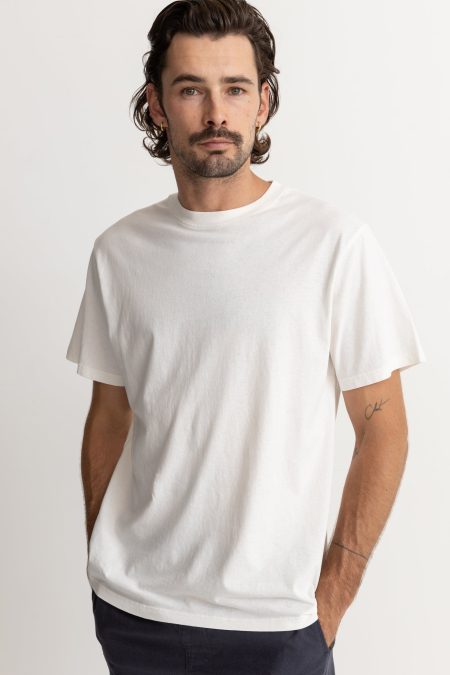
Enter the tech bro uniform those Patagonia vests, Allbirds sneakers, and Everlane basics. They’re practical, comfortable, and scream functionality over formality. But here’s the kicker: that supposed “I don’t care about appearances” vibe? It’s its own kind of flex. Because when you’re wearing a $200 plain hoodie from a “sustainable” brand or a sleek, minimalist $400 pair of sneakers, you’re not really rejecting fashion you’re just speaking a different dialect of it.
Now, as fashion editors embrace these same brands, it’s clear that this minimalist, tech-inspired aesthetic has transcended its origins. But why are the gatekeepers of style suddenly taking cues from a crowd that’s not exactly known for being on the cutting edge of fashion?
The Cultural Shift: From Exclusivity to Accessibility
There was a time when fashion was all about exclusivity. High-end brands created scarcity, and that scarcity created hype. But the digital age has disrupted that model. Instagram, TikTok, and other social platforms have democratized style. What used to be a secret handshake among insiders is now a matter of public record. Everyone knows what’s trending, and the barriers to entry have lowered significantly.
Tech bros, in their own way, have contributed to this shift. Companies like Warby Parker and Everlane have championed transparency and direct-to-consumer models, offering high-quality products at relatively accessible price points. These brands have made “good taste” something that’s within reach for more people and fashion editors have taken note.
But it’s not just about democratization. It’s also about values. Sustainability, functionality, and a certain nonchalant cool are the new markers of style. And who embodies that better (ironically or not) than a tech bro in his uniform of sustainable, no-fuss clothing?
The Hidden Cost of Dressing Down
Here’s where things get a little tricky, though. While the tech bro aesthetic might look simple and effortless, it’s often anything but. Those plain hoodies and sneakers come with a hefty price tag, and the brands behind them are just as strategic about their image as any traditional fashion house.
Take Patagonia, for example. Sure, they market themselves as environmentally conscious and anti-consumerist, but let’s not forget that they’re still a for-profit company. Their clothes are expensive, and their customers are often people who can afford to pay a premium for a sense of ethical superiority. The same goes for brands like Allbirds, which markets itself as the “world’s most comfortable shoe” while charging $100+ for what is essentially a glorified sneaker.
So, when fashion editors adopt these brands, what are they really saying? Are they aligning themselves with the values these brands claim to represent? Or are they simply recognizing that this aesthetic has become the new symbol of status and success?
How Fashion and Tech Are Learning from Each Other
Here’s the thing: fashion and tech are more closely related than they might seem. Both industries thrive on innovation, crave attention, and are constantly looking for the next big thing. And increasingly, they’re borrowing from each other in fascinating ways.
Tech companies are embracing the power of branding and design. Think about Apple’s focus on aesthetics it’s not just about functionality. It’s about creating objects that people want to be seen with. Similarly, fashion brands are taking cues from tech’s obsession with data, innovation, and sustainability. They’re experimenting with new materials, investing in digital marketing, and even exploring the possibilities of wearable tech.
So, when fashion editors start wearing the same brands as tech bros, it’s not just about aesthetics. It’s a reflection of a deeper cultural shift, where the lines between the digital and physical, the functional and the fashionable, are increasingly blurred.
The Irony of Anti-Style Becomes Style
Here’s a bit of irony for you: the tech bro uniform was supposed to be an anti-style statement. It was meant to say, “I’m too busy changing the world to care about clothes.” But in the hands of fashion editors, it’s become the exact opposite a hyper-curated look that telegraphs status, taste, and cultural awareness.
And that’s the paradox of fashion. The moment you try not to care, you’re already playing the game. The moment you adopt a “uniform,” you’ve created a style. The very act of rejecting fashion becomes a fashion statement itself.
What Does This Mean for You?
So, what’s the takeaway here? Should you ditch your tailored blazers and start hoarding tech bro hoodies? Not necessarily. But it’s worth thinking about what your clothes say about you. Are you dressing for comfort? For status? For self-expression? And more importantly, are you doing it for yourself or for the audience you imagine is watching?
Because here’s the reality: someone is always watching. Whether it’s your colleagues, your Instagram followers, or the stranger you pass on the street, your clothes are a form of communication. And in a world where fashion and tech are increasingly intertwined, the message you’re sending might be more complex than you think.
So, next time you slip on your favorite pair of sneakers or zip up your go-to jacket, take a moment to ask yourself: What story am I telling? Because in the end, whether you’re a fashion editor or a tech bro or just someone trying to make it through the day what you wear speaks before you do.