




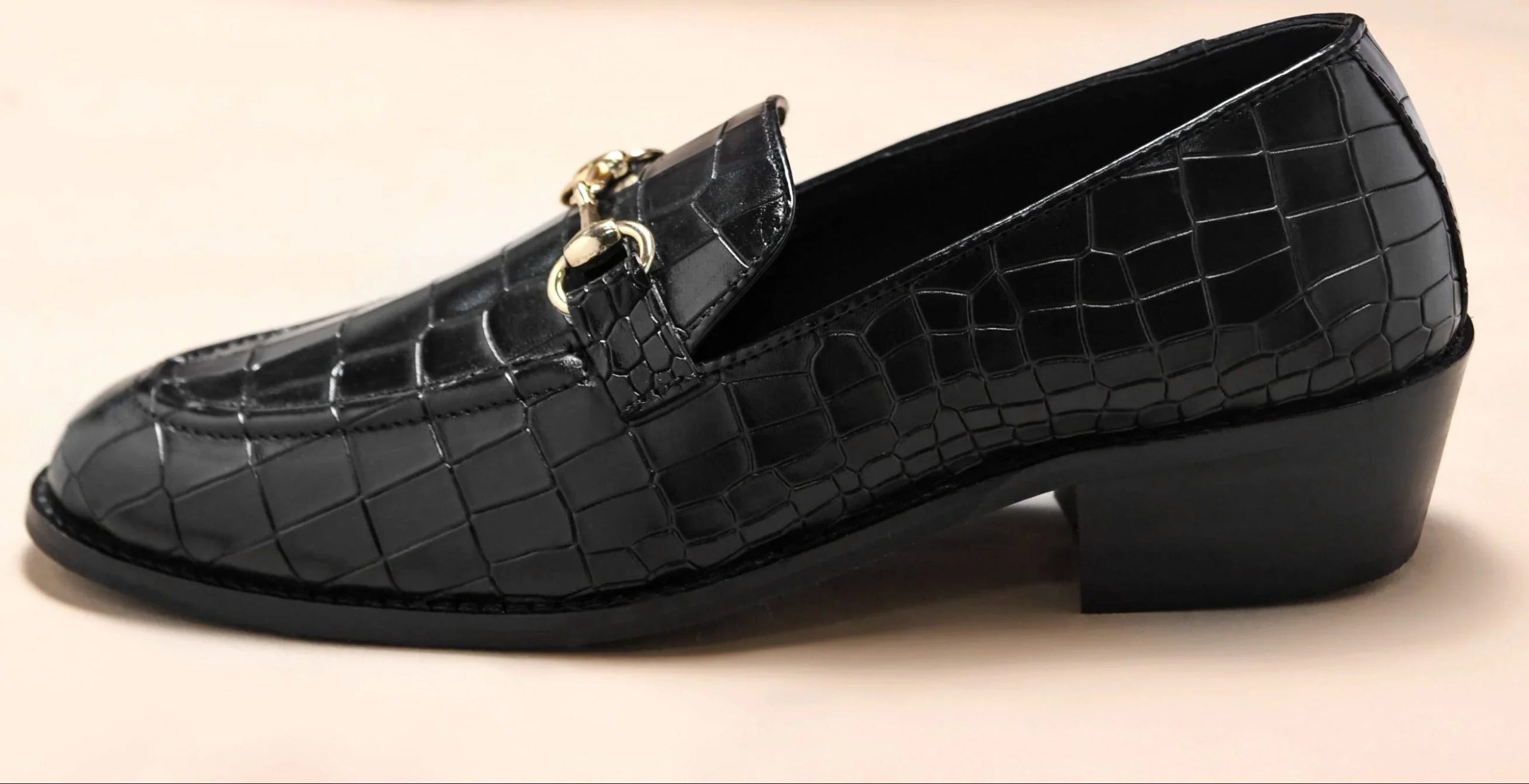
Why Luxury Brands Are Suddenly Obsessed With Ugly Shoes
It started with a pair of shoes that no one could quite figure out. Were they a joke? A statement? Or just a mistake? Balenciaga dropped their Triple S sneakers in 2017, and suddenly, the fashion world found itself in a love affair with “ugly.” Chunky soles, mismatched colors, and unapologetically awkward silhouettes became the new markers of high fashion. Fast forward a few years, and brands like Gucci, Prada, and even Hermès have joined the party, each offering their own version of footwear that looks, well, objectively unattractive. So, what’s going on here? Why are luxury brands betting big on shoes that look like they came from your dad’s closet circa 1995?
The Power of Irony: When Ugly Becomes Cool
Here’s the thing about ugly shoes: they’re not really about the shoes. They’re about the statement the wearer makes by choosing them. It’s a kind of irony that says, “I’m so fashionable, I don’t need to look traditionally stylish.” It’s the same logic that made normcore a thing remember when plain white New Balances were suddenly everywhere? Ugly shoes fit into this larger cultural moment where fashion is less about blending in or looking “perfect” and more about standing out and taking risks.
But luxury brands didn’t invent this trend. They borrowed it from streetwear, thrift culture, and even from the kind of anti-fashion ethos that dominated underground scenes. What they did was package it, slap a jaw-dropping price tag on it, and sell it back to us as the epitome of high-end fashion. And guess what? It worked.
The Psychology of Exclusivity
Let’s not underestimate the role of exclusivity here. Luxury brands thrive on it. They need their products to feel scarce, special, and unattainable. And what’s more exclusive than a pair of sneakers that cost $1,000 and look like they’ve been through a mud wrestling match? It’s a way of signaling status, but not in the old-fashioned “gold-and-glamour” way. Instead, it’s a kind of insider code: only those in the know would understand why these shoes are cool. And if you don’t? Well, that’s the point.
This isn’t new, by the way. Think about the rise of designer handbags with logos plastered all over them in the early 2000s. Back then, it was about showing off wealth in a very direct way. Today, the signaling is subtler or at least it pretends to be. Ugly shoes carry a different kind of message: “I’m ahead of the curve. I don’t follow trends; I set them.”
Social Media and the Rise of the “It” Shoe
Here’s where Instagram comes in. The platform has completely changed the way trends are born and spread. The life cycle of a fashion trend is now faster than ever, and ugly shoes are perfectly designed for the social media age. They’re eye-catching, divisive, and most importantly instantly recognizable. A pair of Balenciaga Crocs or Yeezy Foam Runners can ignite a thousand debates in the comments section. Are they genius or hideous? Either way, people are talking, sharing, and tagging.
And let’s be real: luxury brands love the controversy. Every “What were they thinking?” headline is free advertising. Every meme is another way to keep their products in the cultural conversation. The more polarizing the design, the more likely it is to go viral. And in today’s attention economy, that’s worth more than any traditional marketing campaign.
From Rebellion to Mainstream
Here’s the irony, though: what starts as rebellion always ends up as mainstream. Ugly shoes were once a way to push back against the polished, airbrushed ideals of traditional luxury. But now? They’re everywhere. You can find knockoffs at your local mall, and even fast fashion brands are churning out their own versions. So, what happens when the counterculture becomes the culture?
This is where the luxury industry’s genius really shines. They’ve already started pivoting. Notice how the newest iterations of ugly shoes are veering toward minimalism? Brands are quietly stripping back the excess, offering “ugly” shoes that are just a little less loud. It’s a way to keep the trend alive without letting it burn out completely.
Wait, Are We All Being Played?
Now, let’s address the elephant in the room: Are luxury brands just trolling us? It’s a fair question. After all, they’re asking us to pay top dollar for designs that, at first glance, look like they were pulled out of a clearance bin. But here’s the catch: they’re not just selling shoes. They’re selling a story, an attitude, a way of seeing the world. And stories, as any good marketer will tell you, are priceless.
But let’s not pretend luxury brands are doing this out of the goodness of their hearts. They’re businesses. They’ve mastered the art of turning trends into profits, and ugly shoes are just the latest chapter in that playbook. If people are willing to pay, why wouldn’t they keep going?
So, What’s Next?
Here’s the million-dollar question: What happens when ugly shoes aren’t cool anymore? Fashion, by its very nature, is cyclical. Trends rise, peak, and inevitably fall. At some point, we’ll swing back to sleek, elegant designs, and those chunky sneakers will start gathering dust in the back of closets.
But don’t count out luxury brands just yet. They’ve proven time and again that they’re masters of reinvention. When one trend fades, another will take its place. Maybe it’ll be ugly hats. Or oversized belts. Who knows? One thing’s for sure: whatever it is, it’ll cost a small fortune and we’ll probably still buy it.
So, next time you see a pair of $900 sneakers that look like they’ve been through a wood chipper, ask yourself: Who’s really winning here? The brands? The consumers? Or is it just one big, ironic game we’re all playing together?
That’s the beauty and the absurdity of fashion.