



Why Some Collections Feel Timeless While Others Feel Dated Instantly
It’s funny how a pair of jeans from the ’70s can look like they belong in today’s streetwear scene, but a dress from five years ago screams “outdated.” Ever wonder why that happens? Why do some collections stand the test of time, while others fade into obscurity faster than the trends they were trying to capture? Let’s dive into the anatomy of timelessness and explore why certain designs continue to resonate while others feel like relics of a bygone era.
The Allure of Timeless Design
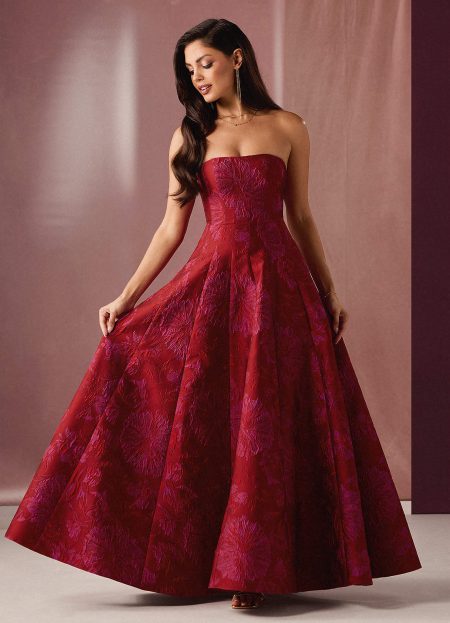
Here’s the thing about timeless design it’s not about being plain or boring. People often confuse “timeless” with “neutral,” but that’s not it at all. Timeless pieces have a certain quality that transcends trends. Think of a leather jacket, a crisp white shirt, or a classic trench coat. They don’t need to scream for attention because their beauty lies in their simplicity, functionality, and adaptability.
Take, for example, the little black dress. Coco Chanel introduced it nearly a century ago, and it’s still a wardrobe staple. Why? Because it’s versatile, flattering, and works for almost any occasion. It doesn’t try too hard, and that’s its magic. The same can be said for mid-century modern furniture. It’s not just furniture it’s a design philosophy that emphasizes clean lines, functionality, and an understated elegance. There’s no gimmick to it, no attempt to shock or dazzle. It’s just good design.
But before we get too carried away, let’s address a tough question: if timeless design is so straightforward, why do so many designers miss the mark?
The Trap of Chasing Trends
Here’s where it gets messy. Many collections that feel instantly dated are victims of what I call “trend chasing.” Designers or their marketing teams become hyper-focused on what’s hot right now. Neon green is in? Let’s splash it on everything. Oversized logos are trending? Plaster them across every available surface.
The result? A collection that’s more about capitalizing on the moment than creating something enduring. These pieces often lack depth, subtlety, or a sense of identity. They’re like fast food satisfying for a brief moment but forgettable in the long run.
I’ll admit, I’ve fallen for it too. In my closet sits a pair of sneakers with a chunky sole that screamed “2020.” At the time, they felt fresh and exciting, but now? They’re collecting dust. And here’s the kicker I didn’t even like them that much when I bought them. I was swept up by the hype.
What Makes a Collection Feel Dated?
Let’s break this down. Collections start to feel dated when they rely too heavily on:
1. Overt Trend References: If something is too closely tied to a specific moment in time, it ages poorly. Remember the Ed Hardy craze? Enough said.
2. Overdesigning: When a piece tries to do too much too many colors, too many patterns, too many bells and whistles it ends up overwhelming rather than impressing.
3. Lack of Contextual Awareness: Sometimes, a design is so of-the-moment that it becomes irrelevant the second the cultural context shifts. Think of the rise and fall of low-rise jeans. They weren’t just a trend; they represented a specific cultural moment tied to early 2000s pop culture.
The Role of Storytelling in Timelessness
On the flip side, timeless collections often tell a story that resonates on a deeper level. They’re not just about the fabric, the cut, or the color they’re about emotion, aspiration, and identity.
Take Levi’s 501 jeans. They’re not just pants; they’re a symbol of rebellion, freedom, and authenticity. Or consider Hermès scarves each one is a work of art, with a narrative woven into its design. These pieces aren’t just sold; they’re passed down, cherished, and celebrated.
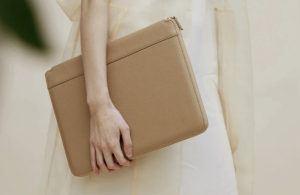
Let me share a personal anecdote. A few years ago, I bought a vintage leather bag from a flea market. It wasn’t branded, and the seller couldn’t tell me much about it, but there was something about the craftsmanship that drew me in. That bag has outlasted countless other “trendy” purchases because it feels like it has a story even if I don’t fully know what it is.
How Designers Can Create Timeless Collections
So, what’s the secret sauce for timelessness? While there’s no exact formula, here are a few guiding principles:
1. Focus on Quality Over Quantity: This sounds obvious, but it’s astonishing how often it’s overlooked. Timeless pieces are made to last, both in terms of style and durability. Invest in good materials and craftsmanship your audience will notice.
2. Stay True to Your Brand’s DNA: Brands that have a clear sense of identity are more likely to create lasting designs. Chanel doesn’t try to be Balenciaga, and vice versa. Know who you are, and design from that place.
3. Think Beyond the Moment: Ask yourself, “Will this still make sense five, ten, or twenty years from now?” If the answer is no, maybe it’s worth rethinking.
4. Embrace Simplicity Without Fear: Simplicity isn’t boring it’s brave. It takes guts to strip something down to its essentials and trust that it will hold its own.
But Here’s the Catch
Not every collection needs to be timeless. Sometimes, the goal is to capture a moment, to be bold, loud, and unapologetically now. And that’s okay. Fashion, after all, is about self-expression, and sometimes that means embracing the fleeting nature of trends.
The key is knowing what you’re aiming for. If you’re going for timelessness, you have to commit to it fully. But if you’re chasing trends, own it just don’t expect longevity.
Final Thoughts
So, why do some collections feel timeless while others feel dated? It all comes down to intent, execution, and a little bit of luck. Timeless designs resonate because they tap into something universal and enduring. They don’t just reflect the times they transcend them.
Now, let me leave you with this: the next time you stand in front of your closet, ask yourself this are you reaching for something because it’s trendy or because it makes you feel like the best version of yourself? The answer might just change the way you shop.